
I’ve built, bought, and implemented many B2B SaaS tools over the years. Here’s the simple truth: B2B SaaS is business software delivered over the internet, sold by subscription, and used by teams to run core work. If you’ve asked what is B2B SaaS, think of it as renting powerful apps without hosting servers or handling updates. In this guide, I’ll break it down with plain language, real examples, and practical steps you can use today.
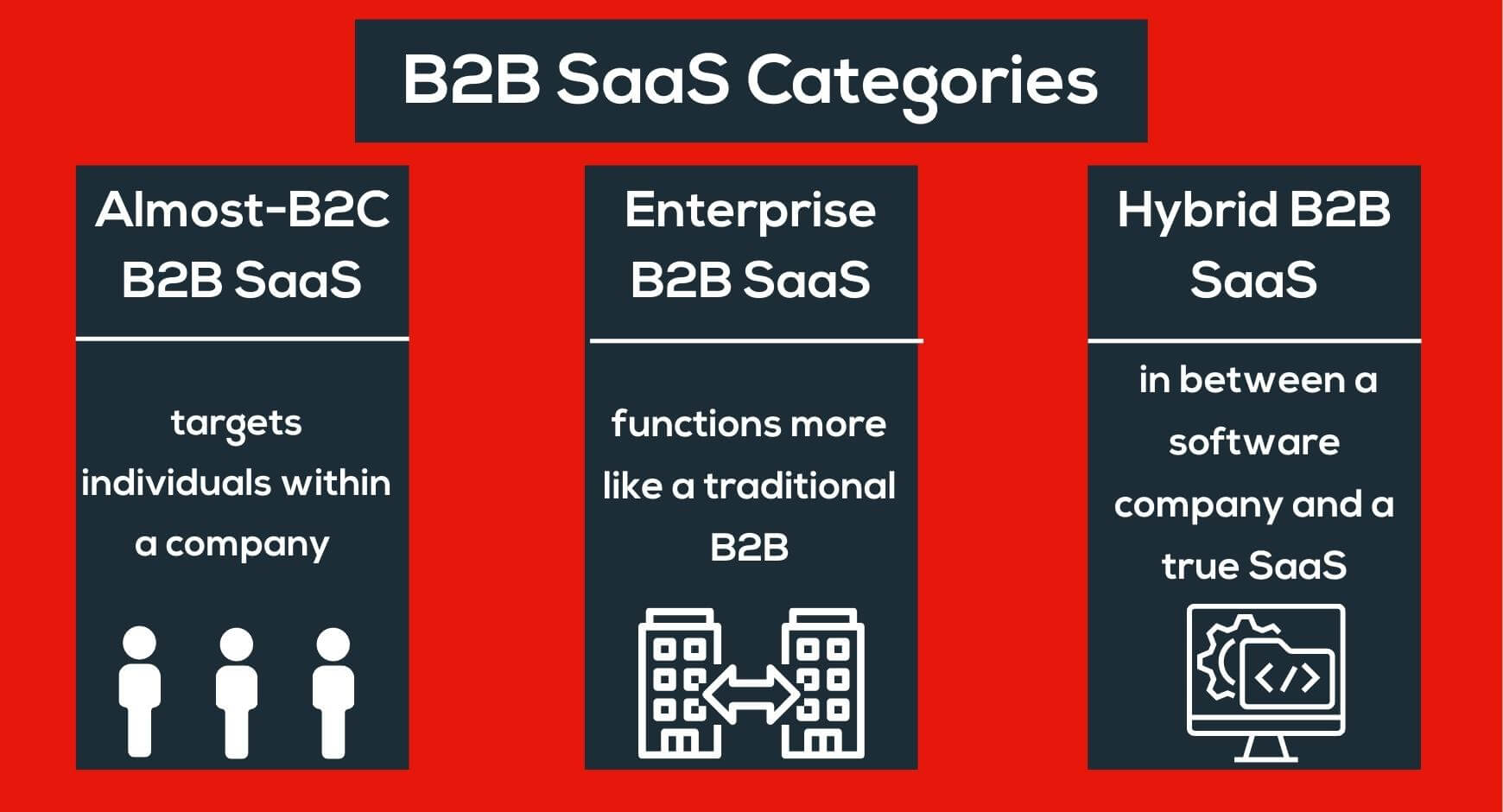
Source: augurian.com
A Clear Definition Of B2B SaaS
B2B SaaS stands for Business-to-Business Software as a Service. Companies access the software through a web browser or mobile app. The vendor hosts, maintains, and updates it in the cloud.
You pay a recurring fee. You get new features, support, and security built in. This model reduces upfront costs and speeds up time to value.
In short, B2B SaaS is a service, not a product you install. It scales with your needs and grows with your business.
.jpeg)
Source: www.salesken.ai
How B2B SaaS Works
Most B2B SaaS apps use a multi-tenant cloud. Many customers share one platform, with data kept separate and secure. This lets vendors ship updates fast and keep costs low.
Access is simple. Your team logs in with company accounts. The vendor handles uptime, patches, and backups. APIs link the app to your other tools.
SaaS can live on public cloud, private cloud, or a mix. Expect SLAs for uptime, support hours, and response times for incidents.
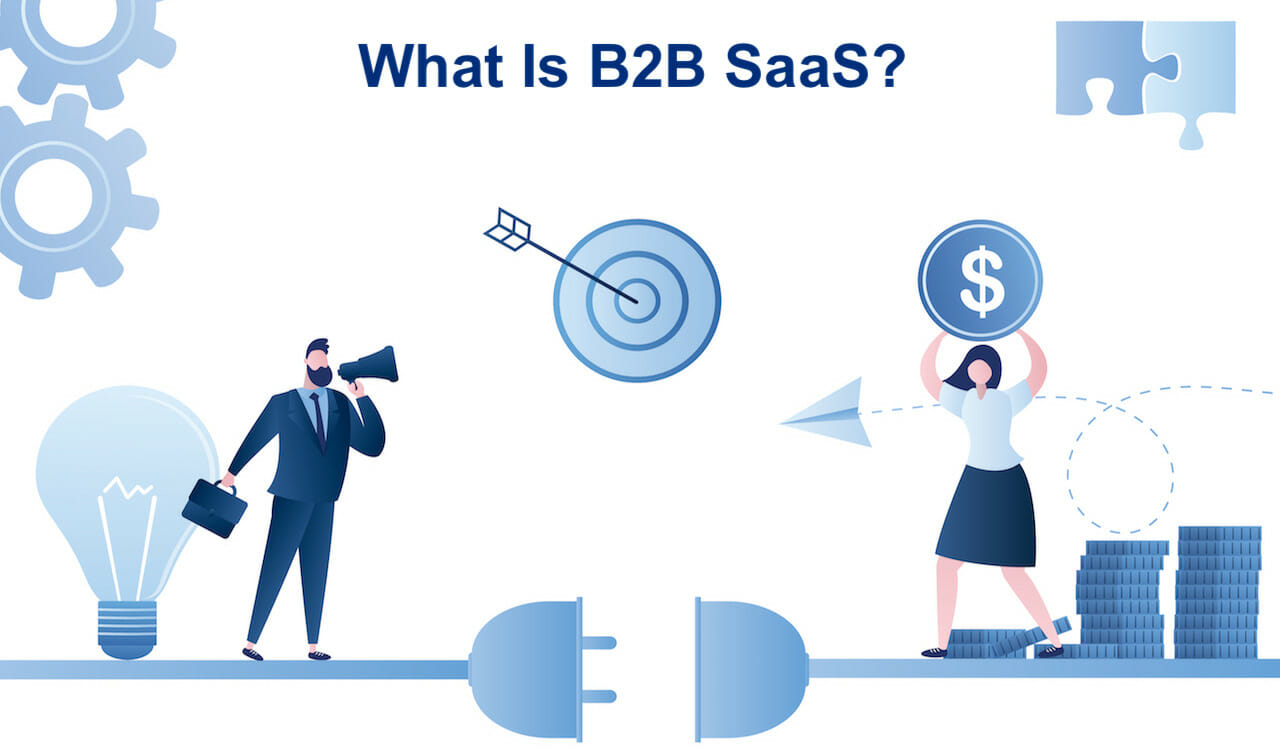
Source: www.singlegrain.com
Benefits And Value
– Lower upfront cost: No big license fee or servers to buy.
– Faster setup: Start in days, not months.
– Ongoing updates: New features roll out without downtime.
– Easy scale: Add users or capacity when you need.
– Better security posture: Centralized patching and monitoring.
– Predictable spend: Subscription lines up with budgets.
– Business focus: Spend time on outcomes, not infrastructure.
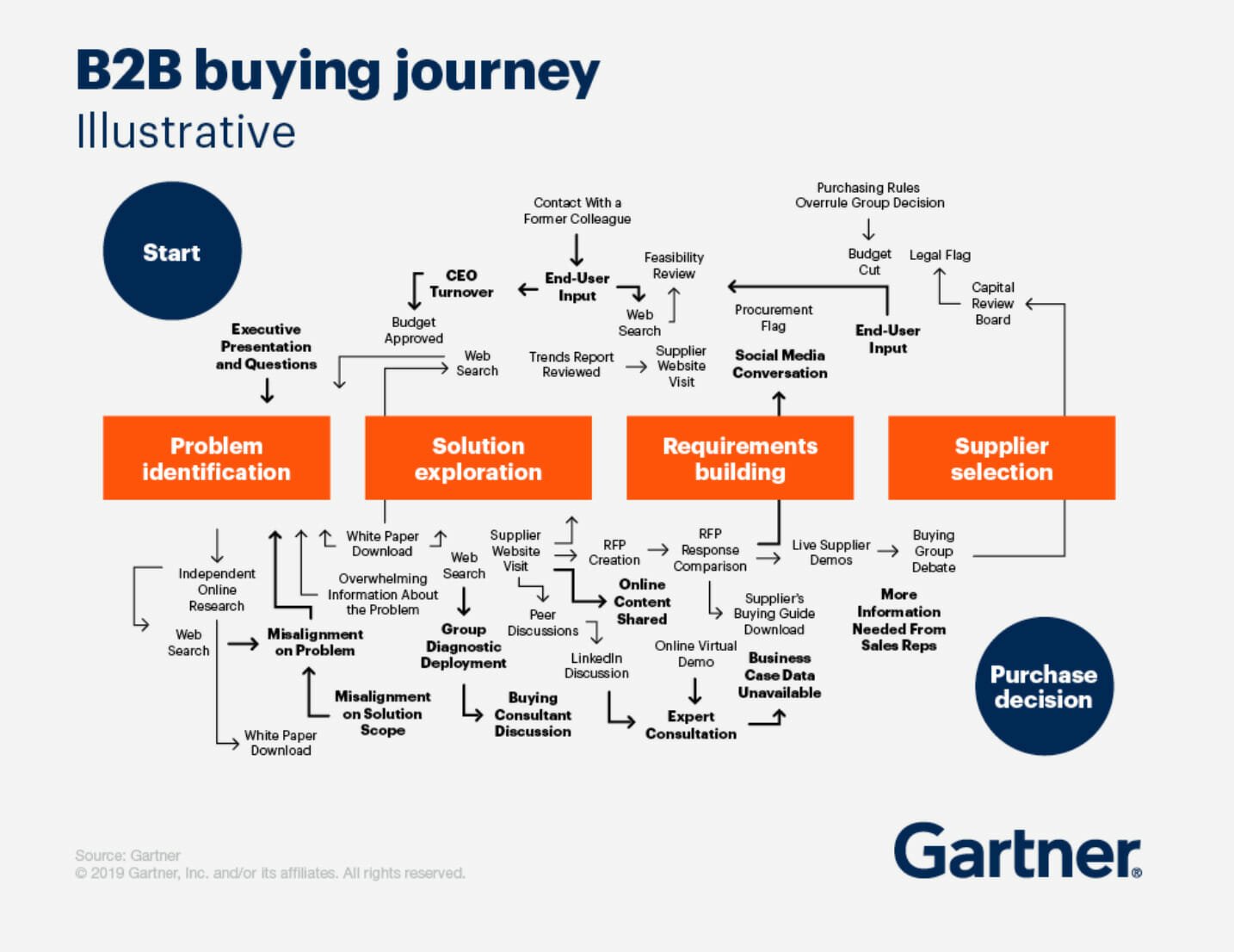
Source: www.singlegrain.com
Common Pricing And Business Models
– Per user: Pay by seat. Simple and common for CRM and collaboration.
– Tiered plans: Feature bundles at good, better, best levels.
– Usage-based: Pay for API calls, data volume, or transactions.
– Hybrid: A base fee plus variable usage.
– Annual contracts: Discounted rate for commitment and forecasting.
– Freemium or trials: Try before you buy to reduce risk.
In my experience, usage-based pricing aligns value to use. But watch for overage costs. Always model best and worst case.
Source: mailshake.com
Core Features And Integrations
– Access and identity: SSO, SAML, SCIM, MFA, role-based controls.
– Data and integrations: REST APIs, webhooks, native connectors, ETL support.
– Security and compliance: Encryption at rest and in transit, audit logs, SOC 2, ISO 27001, GDPR controls.
– Administration: User provisioning, permissions, environments, sandboxes.
– Reliability: Uptime SLAs, status pages, backups, disaster recovery.
– Support: Help center, live chat, onboarding, customer success managers.
These traits separate “nice tools” from “enterprise-ready platforms.”
Real Examples And Use Cases
– Revenue and sales: CRM, CPQ, e-signature, forecasting.
– Marketing and growth: Email automation, attribution, SEO tools.
– Finance and ops: Accounting, billing, spend management, procurement.
– People and culture: HRIS, payroll, performance, learning.
– Product and engineering: Issue tracking, CI/CD, monitoring, feature flags.
– Data and analytics: BI dashboards, data warehouses, reverse ETL.
In one rollout, we replaced four siloed tools with one integrated suite. Support tickets dropped 30% and reporting time fell from days to hours.
Buying Checklist For Teams
– Goals: What outcomes do you need in 90 days and 12 months?
– Fit: Does the roadmap match your use cases?
– Total cost: Seats, usage, overages, add-ons, integration, training.
– Security: Compliance, data residency, access controls, audit logs.
– Integrations: Does it connect to your CRM, ERP, IDP, and data stack?
– Usability: Can new users get value in the first week?
– Proof: Ask for a pilot, reference calls, and sample dashboards.
– SLA and support: Response times, uptime credits, success manager.
I ask vendors to show a real workflow with my data. Demos are nice; proofs are better.
Implementation And Change Management
– Start small: Pilot with one team and a clear success metric.
– Clean data: Migrate only what you need. Archive the rest.
– Set roles: Name an internal owner and a vendor counterpart.
– Train well: Short, hands-on sessions beat long slide decks.
– Communicate: Share the why, the benefits, and the timeline.
– Measure: Track adoption, time saved, and errors reduced.
– Iterate: Gather feedback and tune settings after go-live.
One lesson I learned: a 10-minute weekly office hour beats a long one-time training. It keeps momentum and trust high.
Metrics That Matter In B2B SaaS
For buyers:
– Time to value: Days from contract to first win.
– Adoption: Active users, feature usage, and depth of use.
– ROI: Time saved, revenue gained, or risk reduced.
– Reliability: Uptime, latency, and support response.
For vendors:
- ARR and MRR: Revenue health.
- CAC and LTV: Efficiency of growth.
- Churn and net dollar retention: Customer love and expansion.
- Payback period: How fast sales and marketing pay back.
Industry data shows top B2B SaaS firms target net dollar retention above 120% and gross margin near 70 to 80 percent, though this varies by category and stage.
Trends Shaping B2B SaaS
– AI everywhere: Copilots, automation, and smart insights in daily workflows.
– Vertical SaaS: Deep features for niches like healthcare or logistics.
– PLG plus enterprise: Self-serve adoption with strong security and sales.
– Data control: Privacy, data residency, and governance as table stakes.
– Security by default: Zero trust, least privilege, and strong audit trails.
– Embedded finance: Payments, billing, and lending inside apps.
These trends lower the time from idea to impact. But they raise the bar on trust and data quality.
Lessons Learned From The Field
– Start with a problem, not a product. Don’t chase shiny tools.
– Map the workflow. If the tool fights habits, adoption stalls.
– Budget for change. Training and integration often cost more than you think.
– Watch scope creep. Lock a phase one and ship value fast.
– Measure and share wins. Small wins fund the next steps.
My biggest mistake? Skipping a sandbox. A safe test space catches errors before they hit your team. My biggest win? A two-week pilot that paid for the first year by cutting manual work in half.
Frequently Asked Questions Of What Is B2B SaaS
Q. What makes B2B SaaS different from B2C SaaS?
B2B serves companies with complex needs, more users, deeper security, and integrations. B2C serves individuals with simple onboarding and low price points.
Q. Is B2B SaaS cheaper than on-premise software?
Often, yes. You avoid hardware and big upfront licenses. Still, include training, integration, and usage fees in your total cost.
Q. How secure is B2B SaaS?
Good vendors use encryption, SSO, audit logs, and regular audits. Ask for compliance reports and review their security page and SLA.
Q. Can B2B SaaS work offline?
Some features can cache data for short periods. But most value comes when connected. If offline is key, confirm native support.
Q. How do I know a vendor will scale with me?
Check reference customers, uptime history, API rate limits, and roadmap. Ask for performance benchmarks at your expected load.
Q. What contract length is best?
Start with a pilot or short term to prove value. Move to annual once outcomes are clear to get better pricing.
Q. What is net dollar retention and why does it matter?
It measures how your spend with a vendor grows or shrinks after churn and expansion. High NDR signals strong product value.
Conclusion
B2B SaaS delivers business outcomes fast. It cuts setup time, reduces risk, and scales with your needs. You now know what is B2B SaaS, how it works, what to look for, and how to roll it out.
Pick one workflow to improve this month. Run a small pilot. Measure the win. Then scale what works. Want more guides like this? Subscribe, share your questions, or leave a comment with your top B2B SaaS challenge.
Watch This Video on what is b2b saas
Related Posts
- See More Review: What Is SaaS Sales