
A micro SaaS is a tiny, niche software product run by a small team.
If you have asked what is a micro saas, you are in the right place. I build and coach small software products for a living. In this guide, I break down the model, share real stories, and show you clear steps. You will learn how to pick a niche, validate fast, and grow with low risk.
What is Micro SaaS, really?
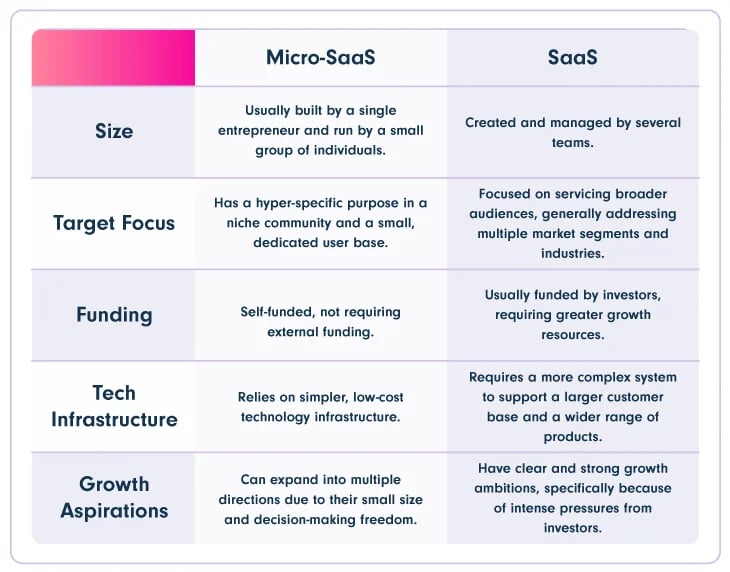
A micro SaaS is a small, focused software business. It solves one narrow problem for a niche group. It is often built and run by one person or a small team. It keeps costs low and aims for steady, calm growth.
When people ask what is a micro saas, I start with scope. Think of a tool that adds a missing feature to a platform. Or a plugin that saves one job role a few hours each week. It is not a big suite. It is a sharp, simple product.
Core traits you will see:
- Narrow niche with a clear pain.
- Small codebase and simple stack.
- Low fixed costs and lean operations.
- Direct sales or simple self-serve.
- Calm, profit first growth.
If you are still wondering what is a micro saas, here is the short test. Can one person build version one in weeks. Can it reach break even in months. Can support stay sane with clear docs. If yes, you are close.

Why micro SaaS works today
The web is full of niches. Teams live in tools like Notion, Slack, Shopify, and HubSpot. Each tool leaves gaps. That is where micro SaaS wins. It fills the gaps with small, fast software.
When people search what is a micro saas, they want to know why now. Three big shifts make it strong.
- Lower build costs with no code and simple cloud hosting.
- Faster reach with app stores, marketplaces, and communities.
- Buyers want point tools that do one job very well.
Recent industry surveys show small tools with tight focus can hit revenue faster than broad apps. Paid add-ons and integrations do well in platform stores.

Key benefits for founders and users
Micro SaaS helps both sides. Founders get a calm path. Users get a tool that works right away.
Benefits for founders:
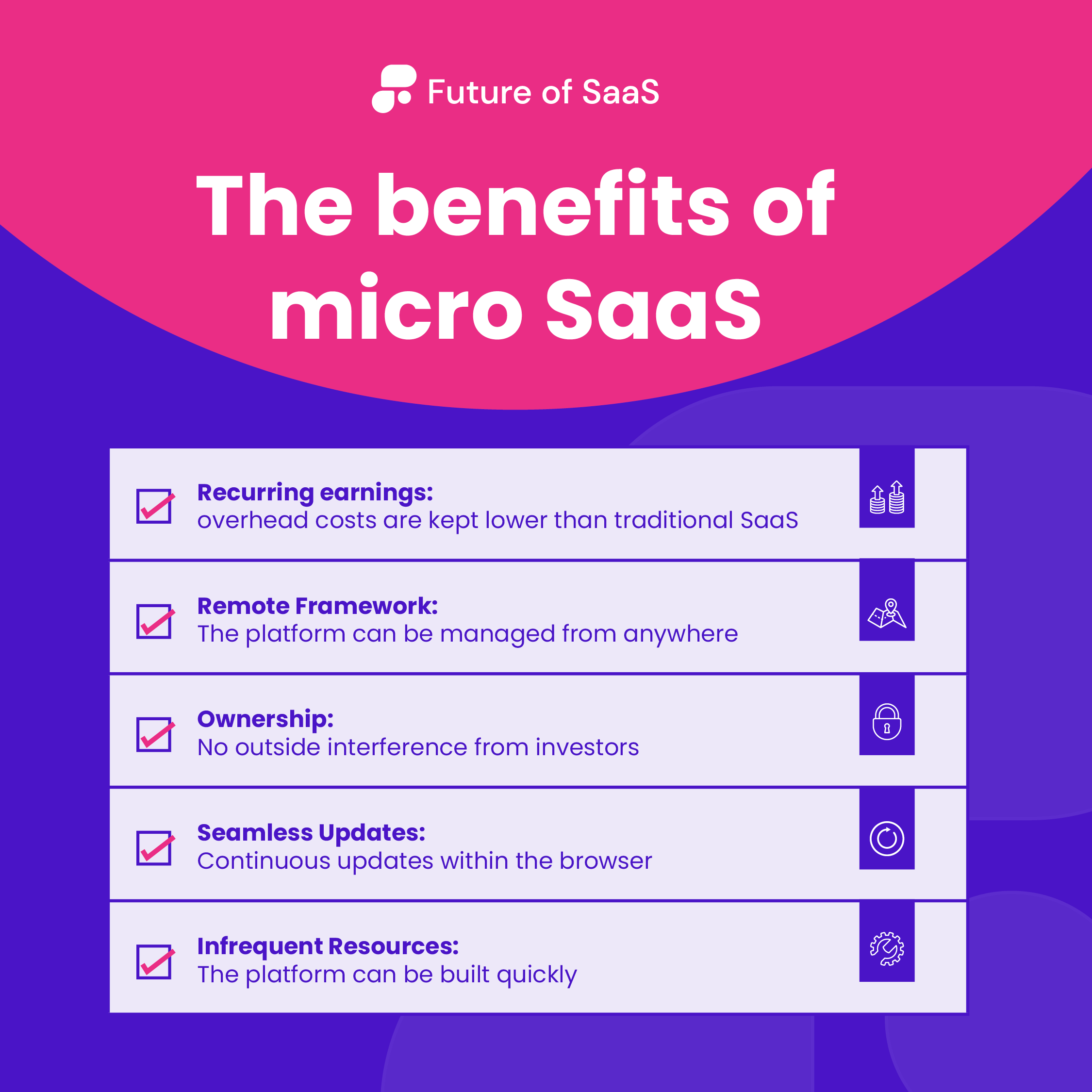
- Small scope means fast launch and less risk.
- Lean costs allow profit at low monthly revenue.
- Direct line to users means better feedback and trust.
Benefits for users:
- Clear value for one job to be done.
- Simple setup and plain pricing.
- Fast support from the builder.
If you ask what is a micro saas from a user view, it is a tool that feels like it was built just for you.
Real examples and idea sparks
Let me ground what is a micro saas with cases I have seen.
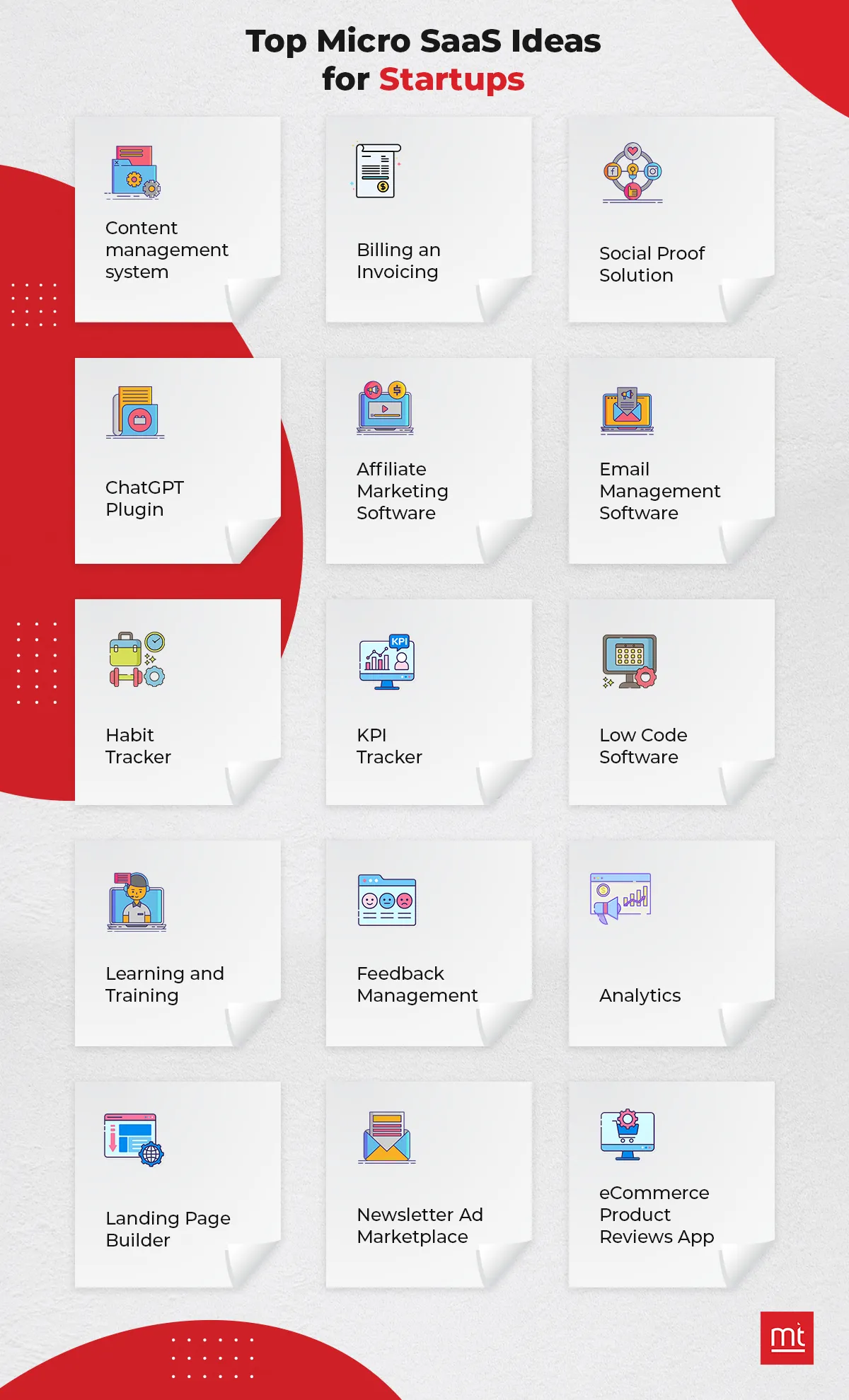
- A Shopify image optimizer that compresses photos on upload. Run by two people. Clear value. Stable MRR.
- A Notion backup tool that runs nightly and stores files in Drive. Solo founder. Grew by posting how-to threads.
- A Slack bot that checks broken links in team docs. Simple cron jobs. Paid yearly by small agencies.
Idea sparks you can explore:
– Compliance exports for niche CRMs.
- Audit logs for AI prompts in support teams.
- Invoice reminders that sync to Stripe and email.
These all fit what is a micro saas. They are narrow, useful, and quick to build.

How to validate a micro SaaS
Validation saves you months. Here is a simple path I use when clients ask what is a micro saas idea worth testing.
- Define one job to be done in one sentence.
- Find ten people who feel the pain. Talk, do not pitch.
- Share a simple landing page with a waitlist.
- Offer a paid pilot with clear success metrics.
- Ship a tiny MVP in two weeks. Measure time saved or errors cut.
Signals that say go:
- People reply fast and share data.
- At least three users pay for the pilot.
- You can show a clear before and after.
If signals are weak, cut scope or try a tighter niche.

Building your first micro SaaS
You can keep the stack simple. When folks ask what is a micro saas tech stack, I say use tools you know and can support.
Practical stack ideas:
- Frontend with React or a simple server-rendered setup.
- Backend with Node, Python, or Rails. Keep the code small.
- Database with Postgres or a serverless option.
- Auth with a managed service. Do not roll your own.
- Billing with Stripe. Use hosted pages to start.
- Hosting with a simple platform that has auto SSL and logs.
Shipping tips from my own builds:
- Automate deploys on day one.
- Write a one-page runbook for outages.
- Add basic error tracking and uptime checks.
- Start with daily backups. Test restore once a month.
Pricing and monetization models
Pricing should reflect value, not effort. People often ask what is a micro saas price point. Start simple. You can grow later.
Common models:
- Flat monthly fee for a core plan.
- Tiered pricing by usage or seats.
- Annual plans with two months free.
- One-time setup for white-glove onboarding.
Good pricing habits:
- Keep one hero plan. Make choice easy.
- Raise price as value grows. Grandfather early users.
- Add a fair free trial. Seven to fourteen days is fine.

Marketing and growth for micro SaaS
You do not need big ads. When you learn what is a micro saas growth loop, think trust and proof.
Tactics that work:
- Teach your niche. Write guides that solve real tasks.
- Show small wins on social with short clips and GIFs.
- List in relevant marketplaces and directories.
- Ask for case studies after the first value moment.
- Create a tiny free tool that feeds leads.
Channels I have used well:
- Partner with agencies that serve your niche.
- Sponsor a small, focused newsletter.
- Answer questions in forums with real fixes, not pitches.
Risks, pitfalls, and how to avoid them
Every model has traps. If you ask what is a micro saas risk, here are the big ones I see.
Common pitfalls:
- Building for a market of one. Fix this with real interviews.
- Platform risk. You rely on one API that can change.
- Support creep. Custom work eats all your time.
- Underpricing. Cheap plans that cannot fund support.
Ways to reduce risk:
- Diversify channels beyond one platform.
- Document scope and say no with care.
- Track cost to serve each plan.
- Keep a runway so you can iterate with calm.

Metrics that matter
Your metrics must be simple and tied to value. Many readers who ask what is a micro saas also ask what to track.
Metrics to watch
- Activation rate. Users who reach the first value moment.
- Net MRR growth. New, expansion, and churn.
- Support load per user. Minutes per month per account.
- Time to first value. Aim for under 15 minutes.
Make a weekly scorecard. Review trends, not just totals.
Legal, security, and compliance basics
Trust keeps churn low. When we teach what is a micro saas to new founders, we stress the basics.
Do the basics well
- Clear terms of service and privacy policy.
- Data map. Know what you store and where.
- Role based access. Least privilege by default.
- Backups, encryption in transit, and at rest.
- Simple DPA template for business users.
If your niche has rules, align early. Think GDPR, HIPAA, or SOC lite controls. You do not need a full audit to be safe and clear.
Frequently Asked Questions of what is a micro saas
Q. What is a micro SaaS in simple terms?
It is a small software business that solves one niche problem very well. It is often run by one person or a tiny team.
Q. How is micro SaaS different from SaaS?
It has a smaller scope, lower costs, and a tight focus on one job. It grows by serving a narrow group, not a broad market.
Q. Can you start a micro SaaS with no code?
Yes, for many cases. You can build with no code and add custom code later as you learn.
Q. How much money do you need to start?
Very little compared to big apps. A few hundred dollars can cover hosting, domain, and basic tools.
Q. How do you find ideas for micro SaaS?
Watch for repeat pains in tools you use daily. Forums, app store reviews, and support tickets are gold mines.
Q. How long until first revenue?
If scope is tight, a few weeks to a few months. Paid pilots speed this up.
Q. Do you need investors?
Most do not. Micro SaaS aims for profit first and can stay bootstrapped.
Conclusion
Micro SaaS is a calm way to build software that pays and lasts. It is small by choice, sharp in value, and close to users. If you came here asking what is a micro saas, you now have clear steps to test, build, and grow.
Pick one niche. Talk to ten users. Ship a tiny version in two weeks. Then measure, learn, and improve. Ready to start. Subscribe for more guides, grab the checklist from this post, and share your idea in the comments.