
I’ve spent years building and marketing cloud products for B2B teams, and I’ve learned one truth: clarity wins. So let’s get clear. What does B2B SaaS mean? It stands for Business-to-Business Software as a Service—cloud software sold to companies on a subscription. It runs in the browser, scales fast, and updates without manual installs. If you want a plain, trusted, and practical guide to B2B SaaS, you’re in the right place.
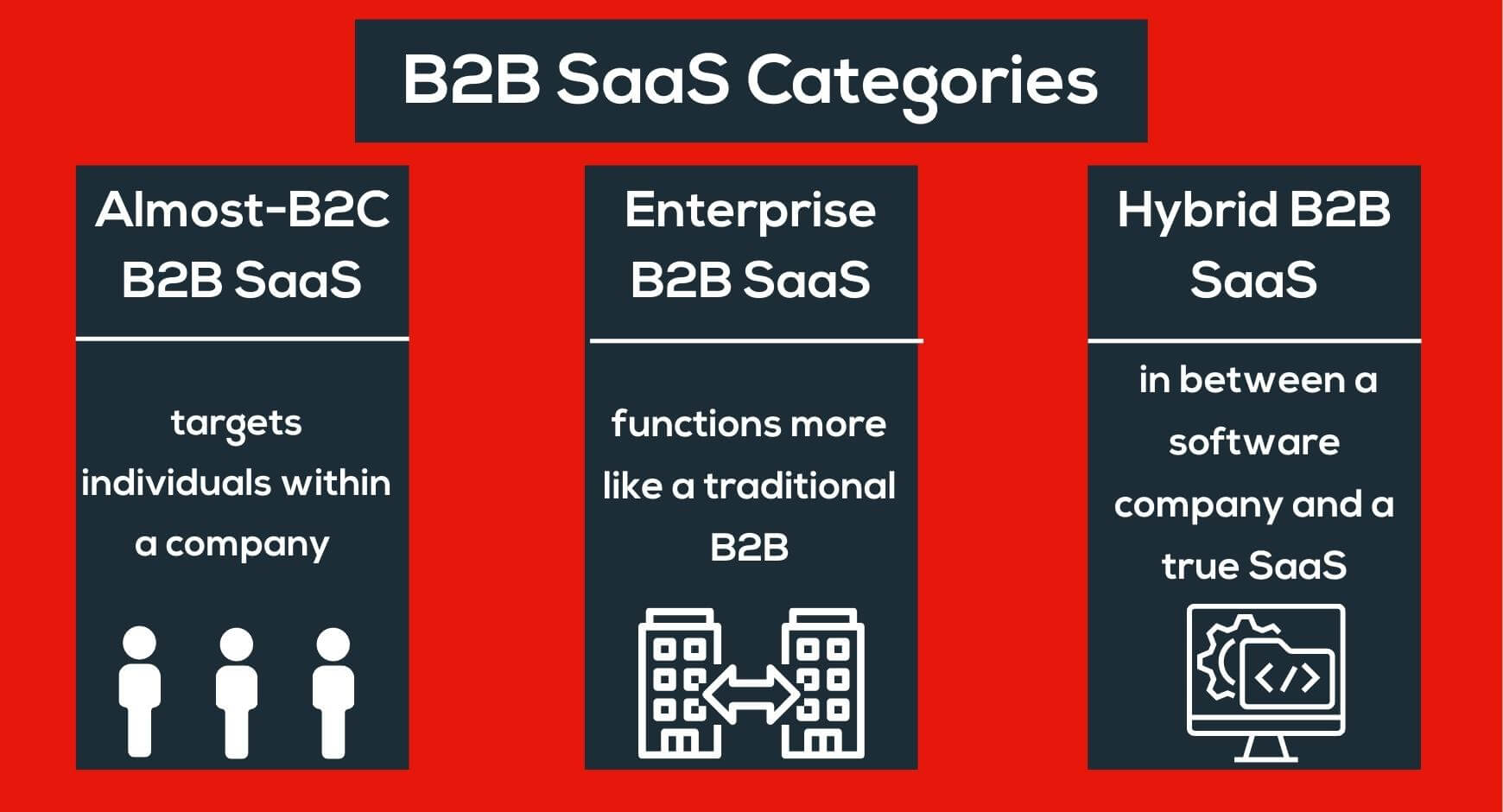
Source: augurian.com
What Exactly Is B2B SaaS?
B2B SaaS is software delivered over the internet and sold to businesses. Companies pay a recurring fee, usually monthly or yearly, to access the service. Think CRM, accounting tools, HR platforms, analytics, and collaboration apps. No servers to manage. No big upfront license. Just log in and work.
It differs from B2C SaaS because the buyer is a company, not a consumer. The focus is on team needs, security, ROI, and workflows. Purchases also involve more stakeholders, longer sales cycles, and higher contract values.
From my own launches, the best B2B SaaS tools solve one clear pain, tie to measurable outcomes, and keep delivering value every day.

Source: www.designwithvalue.com
How B2B SaaS Works
At the core, B2B SaaS runs on cloud infrastructure. You access it through a web app or API. The vendor manages hosting, uptime, updates, backups, and security.
Here’s the simple flow:
- You sign up and choose a plan based on features or seats.
- You onboard your team and connect data and tools.
- You use the product daily while the vendor adds updates.
- You renew if the value stays high and the product keeps pace.
A great customer success motion keeps users engaged. When teams adopt the product fully, churn drops and lifetime value rises.

Source: www.designwithvalue.com
Key Components Of A Strong B2B SaaS
A solid B2B SaaS often includes:
– Product: Clear features that solve a real business problem.
– Pricing: Transparent plans with value-based tiers.
– Security: Single sign-on, data encryption, permissions.
– Integrations: Connectors to CRM, ERP, HRIS, data warehouses.
– Support: Docs, chat, SLAs, and proactive success programs.
– Analytics: In-app metrics, admin dashboards, audit trails.
In my experience, integrations and onboarding are the make-or-break. If setup is smooth, adoption grows fast.
Pricing Models And Packaging
Common pricing strategies:
– Per user: Pay per seat. Good for collaboration tools.
– Usage-based: Pay by API calls, data volume, or transactions.
– Tiered: Basic, Pro, Enterprise with feature gates.
– Hybrid: Combine seats plus usage for fairness and scale.
– Custom enterprise: Flexible contracts, SLAs, and security add-ons.
Tips I’ve learned:
- Align price with the value metric customers care about.
- Avoid surprise overages; use clear thresholds.
- Offer annual discounts to reduce churn and improve cash flow.
Benefits And Trade-Offs
Why teams love B2B SaaS:
– Fast start: No hardware, easy trials, quick ROI.
– Lower upfront cost: Pay as you go with clear budgeting.
– Continuous updates: New features without downtime.
– Scalability: Add users and capacity on demand.
Trade-offs to consider:
- Data residency and compliance needs by region.
- Vendor lock-in and migration costs.
- Internet dependency and uptime SLAs.
- Change management for end users.
I once led a migration from a legacy system to SaaS. The win came from planning. We set a phased rollout, trained champions, and set KPIs. Adoption soared because we respected the learning curve.
Go-To-Market: How B2B SaaS Grows
Winning GTM motions:
– Product-led growth: Free trials, freemium, in-app prompts.
– Sales-led: SDRs, demos, pilots, and enterprise deals.
– Marketing-led: SEO, content, webinars, and community.
– Partner-led: Agencies, resellers, and marketplace listings.
Best practices:
- Map your Ideal Customer Profile and use cases.
- Shorten time-to-value with great onboarding.
- Use testimonials, case studies, and ROI calculators.
- Align marketing, sales, and success around one funnel.
Metrics That Matter
Track these to stay healthy:
– MRR and ARR: Monthly and annual recurring revenue.
– CAC: Cost to acquire a customer.
– LTV: Lifetime value per customer.
– Payback period: Time to recover CAC.
– Churn: Logo and revenue churn; net revenue retention.
– Activation: Time to first value and feature adoption.
– NPS and CSAT: Signals of sentiment and referral readiness.
From my dashboards, the most actionable leading indicators are activation rate and weekly active teams. Fix those, and revenue follows.
Real-World Examples And Use Cases
Common B2B SaaS categories:
– CRM and sales: Pipeline, forecasting, quoting.
– Finance and ops: Billing, FP&A, spend control.
– HR and people: Hiring, onboarding, payroll, performance.
– Data and analytics: Dashboards, ETL, warehousing.
– Dev and IT: CI/CD, monitoring, security, service desk.
– Collaboration: Docs, chat, project management.
One client used a usage-based analytics tool and cut reporting time by 60 percent. Another adopted a PLG-friendly help desk and halved resolution time. The pattern is clear: pick tools that remove friction at key moments.
Implementation Tips From Experience
Practical steps:
– Define success metrics upfront. Example: reduce cycle time by 30 percent.
– Run a pilot with power users. Gather feedback fast.
– Clean your data before integrations. It saves months later.
– Create a simple training path with short videos and checklists.
– Review security and compliance with IT before signing.
Mistakes to avoid:
- Buying for edge cases instead of the main workflow.
- Skipping change management. People need coaching, not just logins.
- Ignoring total cost. Include add-ons, services, and migration.
Trends Shaping B2B SaaS
What’s changing now:
– AI copilots and workflow automation across functions.
– Usage-based pricing tied to real value.
– Composable stacks with open APIs and data layers.
– Stronger governance for privacy and compliance.
– Product-led sales blending PLG with enterprise motion.
Expect more AI-native features and deeper integration with data platforms. The winners will prove value early and often.
Frequently Asked Questions Of What Does B2B SaaS Mean
Q. Is B2B SaaS the same as cloud software?
B2B SaaS is a type of cloud software delivered as a subscription. Not all cloud software is SaaS, but all SaaS runs in the cloud.
Q. How is B2B SaaS different from B2C SaaS?
B2B sells to companies and focuses on team workflows, security, and ROI. B2C sells to individuals with simpler buying paths and lower price points.
Q. What are the main costs to expect?
Plan fees, add-ons, implementation, training, and possible overage charges. Include time for change management and data migration.
Q. What security features should I look for?
SSO, MFA, data encryption, role-based access, audit logs, and compliance reports. Ask for uptime SLAs and incident response processes.
Q. How do I know if a B2B SaaS is working for my team?
Track activation, adoption, time-to-value, and business outcomes like revenue lift, cost savings, or faster cycle times. Review quarterly.
Q. Can small businesses benefit from B2B SaaS?
Yes. It lowers upfront cost, speeds setup, and offers enterprise-grade tools without heavy IT investment.
Q. What is a common mistake when buying B2B SaaS?
Choosing a tool for features, not outcomes. Start with the problem, define success, and pick the simplest path to value.
Conclusion
B2B SaaS means software for businesses, delivered over the web, paid by subscription, and built for real outcomes. It removes the weight of hardware, speeds up work, and grows with your team. Start small, measure value, and keep the focus on people and process, not just features.
If you’re exploring tools now, set a clear goal, run a tight pilot, and track the first value moment. Want more practical guides like this? Subscribe, share your questions, or leave a comment with your use case. Let’s make your next software move a smart one.
Watch This Video on what does b2b saas mean
>>> Get More Review Here: What Are Unit Economics In SaaS <<<