
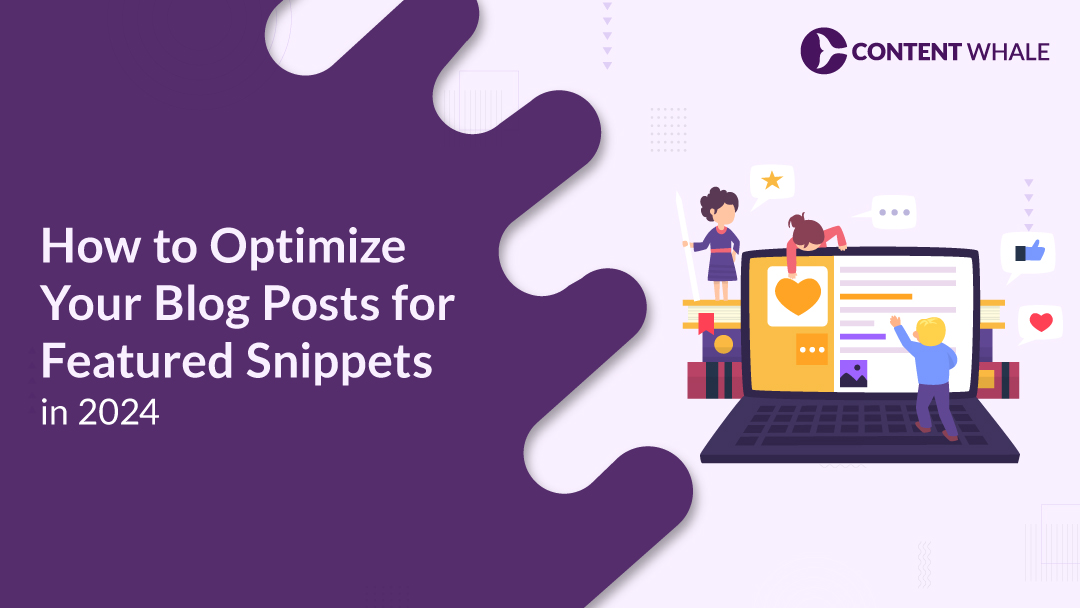
I’ve spent years testing and tuning content to win that prized spot zero. I know the patterns, the pitfalls, and the tools that get real results. In this guide, I break down what AI tools specialize in featured snippet optimization, how they work, and how to use them with confidence. If you want to land concise answers, lists, and tables above the fold, this is your roadmap to smarter, faster wins with what ai tools specialize in featured snippet optimization.
Source: www.luccaam.com
What Featured Snippets Are And Why They Matter
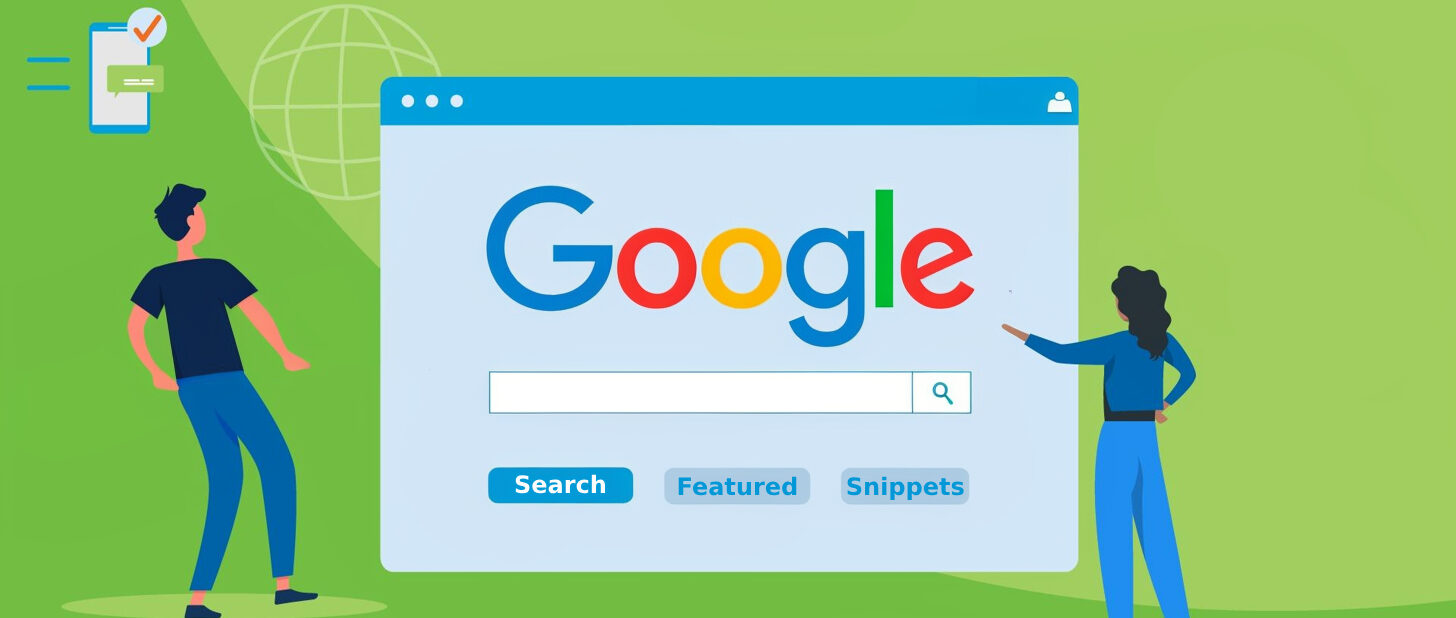
Featured snippets are Google’s direct answers that show above the standard results. They can be paragraphs, lists, tables, or videos. They pull from a page that best answers a query in the clearest way.
Why they matter:
- They drive outsized visibility and clicks, even when you are not rank one.
- They shape brand authority by letting your content speak first.
- They help voice search because assistants often read snippets aloud.
From my tests across dozens of pages, pages that match intent, structure content cleanly, and cover entities well have the best odds. AI tools help you find those gaps and shape your copy to fit the snippet pattern.
Source: thesmarketers.com
How AI Tools Identify Featured Snippet Opportunities
AI-driven tools look at search results and language patterns to predict where you can win.
What they analyze:
- SERP feature presence The tools flag queries that already trigger snippets and show who owns them.
- Question mining They surface common questions, People Also Ask, and related queries.
- NLP signals They detect key entities, topical clusters, and answer frames.
- Intent mapping They classify intent and suggest the best snippet format.
- On-page structure They check headings, lists, tables, and answer length.
In my work, the big unlock is merging NLP insights with real SERP snapshots. It keeps your content aligned with what Google is actually rewarding, not just what a model guesses.

Source: www.stanventures.com
The AI Tools That Specialize In Featured Snippet Optimization
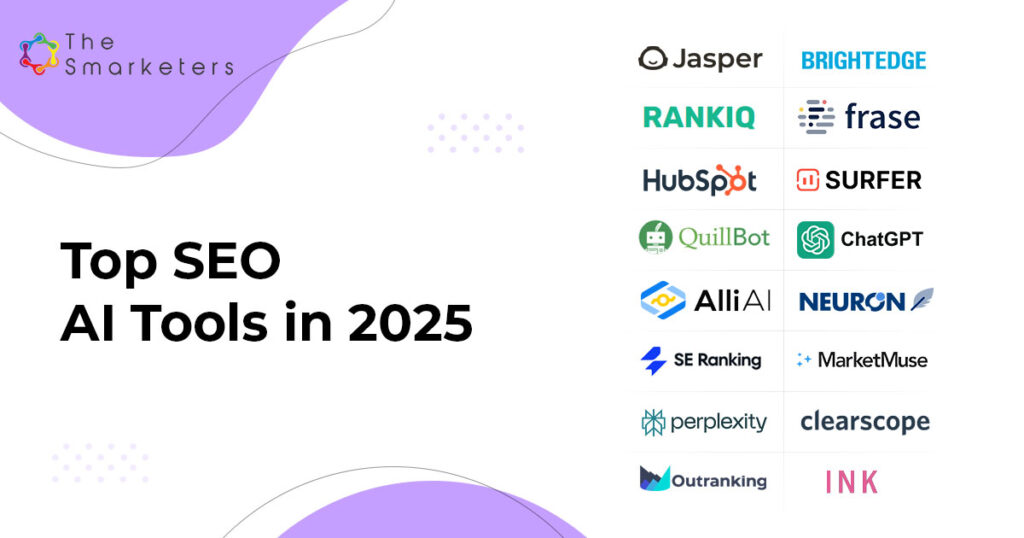
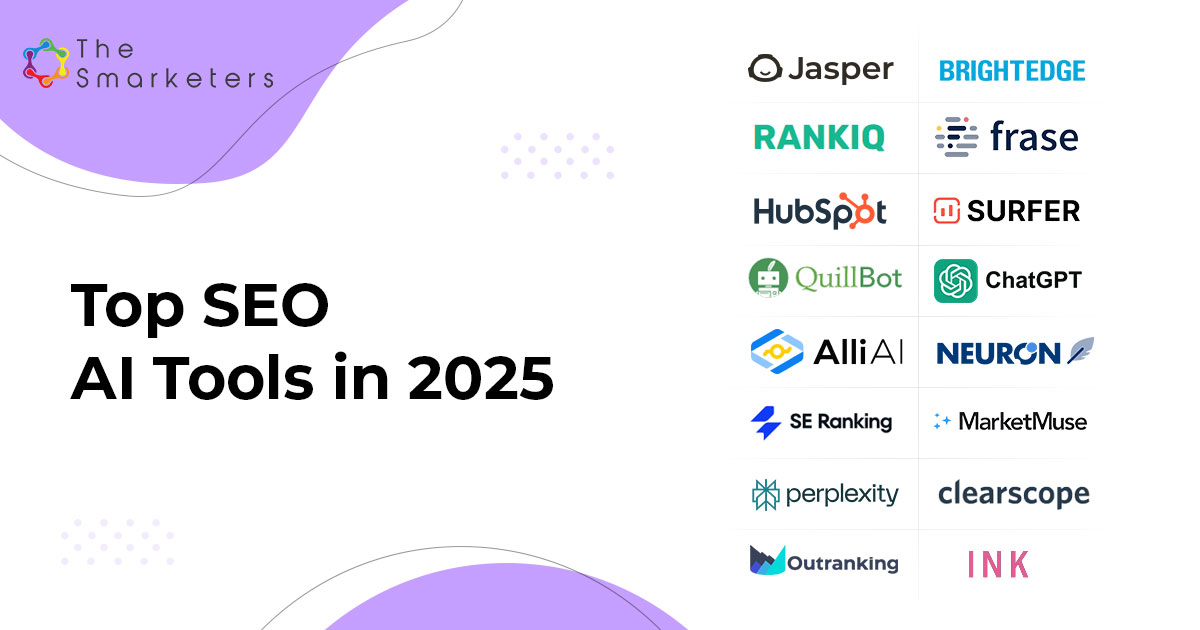
Here are the AI-powered tools I rely on and what they do best. I group them by purpose so you can build a stack that fits your workflow.
Discovery and tracking:
- Semrush Position Tracking and Featured Snippets report Find snippet-owning pages, track volatility, and spot gaps by URL and keyword.
- Ahrefs Site Explorer and SERP features filter See queries with snippets, who owns them, and how hard they are to win.
- STAT by Moz Track featured snippet presence at scale and monitor changes daily for large sites.
Question and intent mining:
- AlsoAsked Visualize People Also Ask trees to map subtopics and related questions.
- AnswerThePublic Discover question phrasing to match how users ask.
- Perplexity and ChatGPT For quick research synthesis and question expansion with citations you can verify.
Content optimization and NLP:
- Frase Outline Builder and Answer Engine Create briefs built around questions and draft concise answers with AI.
- SurferSEO NLP terms and structure suggestions Balance entity coverage and readability for snippet-friendly sections.
- Clearscope and MarketMuse Improve topical depth and coverage across entities, headings, and synonyms.
- InLinks and Topic Entity-based briefs and internal linking suggestions to support semantic relevance.
On-page formatting and structure:
- Grammarly and Hemingway Improve clarity and shorten sentences for snippet-ready paragraphs.
- Google Docs or Notion with AI Rewrite dense blocks into list or table formats on the fly.
Technical and schema support:
- Schema markup generators Add HowTo, FAQPage, and QAPage where relevant to support rich results.
- Screaming Frog and Sitebulb Audit headings, indexability, and internal links that impact snippet eligibility.
- Google Search Console Check impressions, queries, and position when you gain or lose snippets.
No single tool guarantees a snippet. The win comes from combining SERP-aware discovery, NLP coverage, and clean formatting.
Source: thesmarketers.com
Workflow: How I Use These Tools Step By Step
I use a simple flow to cut time and improve win rates.
Step 1. Find snippet-ready queries:
- Use Semrush or Ahrefs to filter for queries that trigger snippets.
- Sort by difficulty and search volume to find quick wins.
Step 2. Map questions and intent:
- Run the target keyword through AlsoAsked and AnswerThePublic.
- Note the People Also Ask patterns. These are gold for subheadings.
Step 3. Build an AI-assisted brief:
- Use Frase or MarketMuse to outline sections, entities, and target questions.
- Decide the best format for the primary answer paragraph, list, or table.
Step 4. Draft clear answers:
- Write a 40 to 60 word answer for the main query near the top.
- Use short sentences and simple words. Then expand with details that support the answer.
Step 5. Format for snippet types:
- For lists Use bullets, one idea per line, and keep lines short.
- For tables Keep 2 to 4 columns with clear headers and consistent units.
- For paragraphs Aim for one tight block that stands alone.
Step 6. Tighten with AI:
- Use Grammarly and Hemingway to reduce fluff and improve clarity.
- Use SurferSEO or Clearscope to fill entity gaps without stuffing.
Step 7. Ship and monitor:
- Publish, request indexing, and track with Semrush or STAT.
- Watch Google Search Console for impressions and average position shifts.
Real talk I have seen pages grab a snippet in hours with this flow when the content aligns with intent and structure. When it does not, I check the SERP again and adjust the format, not just the words.
Source: content-whale.com
Content And Technical Tips Backed By Data
Practical content tips:
- Put the answer first Write a short, direct answer above the fold, then add detail.
- Mirror the current owner Note their format length and structure, then improve clarity or depth.
- Use clean headings Convert long questions into H2 or H3 headings.
- Add supportive lists and tables If the top snippet uses a list, test a better organized list.
- Cover entities naturally Use related terms, synonyms, and attributes that match the topic.
Technical checks:
- Make the page fast and mobile friendly Snippets favor pages that load fast and read well.
- Use schema where relevant FAQPage, HowTo, and Product can aid rich results.
- Keep URLs indexable Avoid blocked resources and confirm canonical tags.
- Strengthen internal links Link from contextually relevant pages using natural anchors.
From campaign data I have reviewed, pages that pair concise answers with entity-rich support content outperform thin, answer-only pages. The blend of clarity and depth wins.
Common Mistakes And How To Avoid Them
- Writing around the answer instead of giving it Start with the answer in one short block.
- Ignoring intent Match format to intent. How queries love lists. What and why often need short paragraphs.
- Keyword stuffing Over-optimization can hurt readability and reduce snippet odds.
- Thin content with no support Give context, sources, and examples after the answer block.
- Skipping monitoring Snippets are volatile. Track changes and update fast.
A small fix that works Cut filler words. Remove fluff like in order to and due to the fact that. Your clarity score jumps, and so do your snippet chances.
Measuring Success And Iterating Of What AI Tools Specialize In Featured Snippet Optimization
How to track impact:
- Track snippet presence Use Semrush, Ahrefs, or STAT to see ownership and volatility.
- Watch impressions and CTR in Google Search Console A new snippet often lifts both even if your base rank stays the same.
- Compare answer formats Test a list versus a paragraph and note changes within a week or two.
- Log updates Keep a simple change log to link actions to outcomes.
When I lose a snippet, I run a quick triage. I inspect the new winner, compare format and freshness, then update my answer block and supporting sections to be clearer, shorter, or more current. Timely updates often win it back.
Frequently Asked Questions Of What AI Tools Specialize In Featured Snippet Optimization
Q. What Is The Best AI Tool For Winning A Featured Snippet?
There is no single best tool. Use a combo. Semrush or Ahrefs for discovery, Frase or Surfer for NLP and brief building, and Grammarly for clarity edits.
Q. How Long Should A Featured Snippet Answer Be?
Aim for 40 to 60 words for a paragraph snippet. Lists should be short and scannable, often 5 to 8 bullets.
Q. Do I Need Schema To Win A Featured Snippet?
Schema is not required for featured snippets, but it helps with other rich results. Use it where relevant, not as a shortcut.
Q. How Fast Can I Win A Featured Snippet After Publishing?
It can happen within hours or days if you match intent and structure. Competitive terms may take longer and need updates.
Q. Can AI Write The Entire Snippet For Me?
AI can draft it, but you should refine it. Add expertise, correct facts, and ensure the tone matches your brand. Human oversight improves trust.
Conclusion Of What AI Tools Specialize In Featured Snippet Optimization
Featured snippets reward clarity, structure, and topical depth. AI tools make this faster by showing you the right queries, the right format, and the gaps you must close. Use discovery tools to pick your battles, NLP tools to cover entities, and simple edits to sharpen your answer.
Now put this into action. Choose three snippet-ready keywords, build tight answers, and ship. Track the results, learn from the SERP, and iterate. If you found this helpful, subscribe for more tests, templates, and results. Drop your questions or wins in the comments. Let’s earn that spot zero together.
Watch This Video on what ai tools specialize in featured snippet optimization
>>> Get More review Here: What’s The Best AI Tool For Patent Research <<<