
No, affiliate marketing isn’t a scam; the hype and bad actors are.
If you’ve asked yourself is affiliate marketing a scam, you’re not alone. I’ve worked with brands and creators who earn honest income by recommending products they use. I’ll walk you through what’s real, what’s risky, and how to do it right. Stick with me to learn how to spot scams, build trust, and make smart moves in a space full of noise.

How Affiliate Marketing Works (In Plain English)
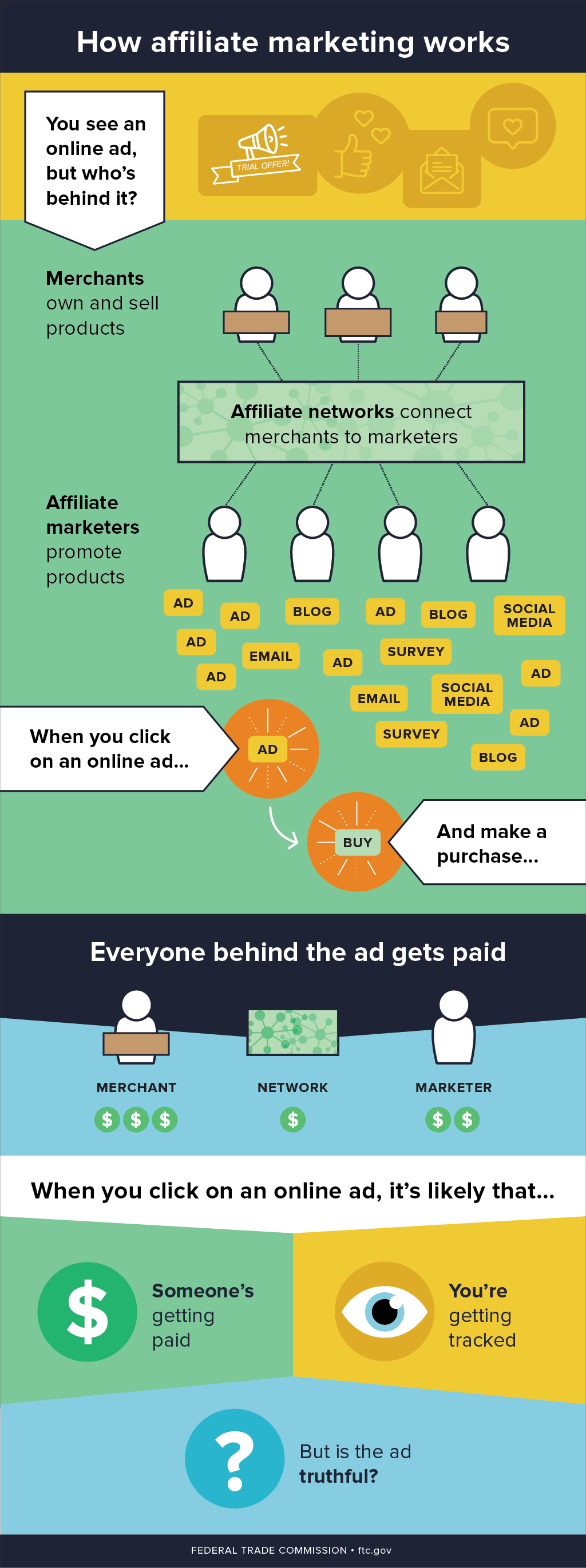
Affiliate marketing is a simple performance model. A brand pays a commission when your content sends a buyer to them. You share a special link. If someone buys, you earn a fee. No sale, no payout.
There are four players. The brand sells. The affiliate recommends. The network or software tracks clicks and sales. The customer buys what they like, not what you force.
Tracking uses links, cookies, and IDs. Programs show basic stats like clicks, sales, and refunds. Payouts run on a set schedule. It’s a sales channel, not a mystery.
So, is affiliate marketing a scam? What Makes It Legit vs Fake
When people ask is affiliate marketing a scam, they usually clash with hype. Real affiliate programs pay for real sales. Scams promise money for doing nothing. Real programs do not charge you to join or force you to recruit.
Legit signs:
- Clear terms, commission rates, and cookie windows
- Real brand, real product, and a real support contact
- Public or well-known network tracking and regular payouts
Scam signs:
- Pay-to-join “systems” with no product
- Overblown income claims and “set and forget riches”
- Pressure to recruit more people to earn
Data Check: Why Real Brands Use It
If you still wonder is affiliate marketing a scam, look at how brands use it. Industry reports show affiliate marketing drives a meaningful share of online sales each year. Global spend is in the tens of billions and still growing.
Why brands like it:
- They pay for performance, not for empty clicks
- It opens new audiences through trusted creators
- It tracks well and can be optimized
Common benchmarks vary. Conversion rates often range from about 1% to 5% in many niches. Payout timing and EPC differ by program. But the model is boringly practical, which is a good thing.
Red Flags That Scream Scam
Is affiliate marketing a scam when it looks like a lottery ticket? That vibe is your warning. If it sounds too easy, it is. Use this list to stay safe.
Watch out for:
- You are the product: high fees to join, low value inside
- Fake scarcity: “only 10 spots tonight” for months
- No refund policy or vague support details
- Earnings screenshots with no context or verifiable data
- Pressure to recruit more members to get paid
- No clear product, or a product with no real buyers
How to Vet an Affiliate Program (Checklist)
If you are asking is affiliate marketing a scam, test programs with a checklist. Trust, but verify. You need clear terms and real support.
What to review:
- Program terms: commission rate, cookie duration, payout methods
- Product fit: does your audience want this?
- Brand quality: real website, reviews, social proof, and service
- Tracking: reputable network or software, and clear reporting
- Payout history: reviews from other affiliates
- Compliance: rules on disclosures, paid traffic, coupons, and email
Realistic Earnings and What It Takes
Is affiliate marketing a scam if you don’t earn fast? No. It’s sales. It needs traffic, trust, and time. Most people need months to see steady income.
From my experience, two early mistakes hurt most. I picked too broad a niche and chased too many products. When I focused on one problem and one target reader, earnings grew. Traffic was still modest, but the conversion rate rose because my content actually helped.
Plan for this:
- 3 to 6 months to see your first drip of sales
- 6 to 12 months to build steady traffic and email list
- Ongoing testing on offers, headlines, and CTAs

Ethical Promotion: FTC Rules, Disclosures, and Trust
If you ask is affiliate marketing a scam, one fix is transparency. You must disclose affiliate links in a clear, upfront way. Put simple, plain language near the link. Do not hide it.
Use honest reviews. Share pros, cons, and who it’s for. Avoid claims like guaranteed results. Keep receipts, test the product, and show your work. Your reputation is the asset you cannot buy back.
Proven Strategies That Actually Work
Is affiliate marketing a scam if you rely on luck? Yes, luck-only plans fail. Use steady plays that compound.
Try these:
- Choose a clear niche with a painful problem you can solve
- Create helpful content that answers real questions
- Map content to intent: how-to, comparisons, reviews, and FAQs
- Build an email list and follow up with value
- Use SEO basics: clean titles, fast pages, and useful internal links
- Pick fewer, higher quality offers with good payouts and low refunds
- Track EPC, AOV, and conversion rate
- Split test CTAs, layouts, and positions of links
- Reinvest in better content and tools as revenue grows
Common Myths About Affiliate Marketing
Is affiliate marketing a scam because people post flashy screenshots? That’s a myth. Most wins look boring from the outside.
Let’s clear the air:
- Myth: You need a huge audience. Truth: You need a focused audience with trust.
- Myth: It’s passive income. Truth: It can be semi-passive after heavy work upfront.
- Myth: All programs pay the same. Truth: Payouts, refunds, and cookie windows vary a lot.
- Myth: Any product will sell. Truth: Offer-audience fit matters more than volume.
- Myth: Paid ads fix everything. Truth: Bad funnels burn cash fast.
Frequently Asked Questions of is affiliate marketing a scam
Q. Is affiliate marketing a scam or legit?
Affiliate marketing is legit when you earn from real product sales. Scams ask you to pay to join or to recruit others.
Q. How do I know if a program is safe?
Check terms, brand reputation, payout history, and tracking. Avoid programs with vague support and wild income claims.
Q. Can beginners make money with affiliate marketing?
Yes, but it takes time and consistent effort. Start with one niche, one audience, and helpful content.
Q. What is the difference between affiliate marketing and a pyramid scheme?
Affiliate marketing pays for sales to real customers. Pyramid schemes pay for recruitment and often have no real product.
Q. Do I need to disclose affiliate links?
Yes, always disclose clearly and near the link. It’s a legal and ethical requirement.
Q. How long before I see results?
Expect months, not days. Results depend on traffic quality, content, and offer fit.
Q. Is it expensive to start?
You can start lean with a domain, hosting, and content tools. Invest more as revenue grows.
Conclusion
Is affiliate marketing a scam? Not when you use real products, honest reviews, and sound tracking. The scams live in pay-to-join “systems” and big promises without proof. Your edge is simple: help people make good choices, and the sales follow.
Take the first step today. Pick one niche, write one helpful guide, and disclose your links. Keep going for 90 days. If this helped, subscribe for more deep dives, or leave a question so I can tailor the next guide to you.