
If you run a small business in the USA, local SEO is your strongest growth lever. I’ve spent years helping neighborhood shops, clinics, and home services rank in their local markets. Time after time, I’ve seen how local SEO boosts small business marketing USA by driving real foot traffic, qualified leads, and repeat customers. In this guide, I’ll show you exactly how it works, what to fix first, and how to track results with confidence. Expect simple steps, proven tactics, and real examples you can copy today.

Source: www.salesforce.com
Why Local SEO Matters For Small Businesses
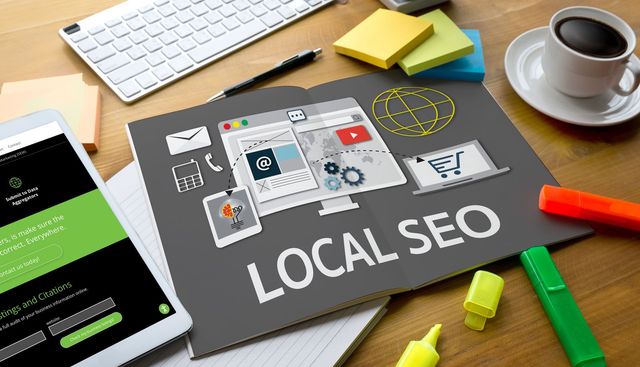
Local SEO helps your business show up when nearby customers search for services like yours. Think “electrician near me,” “best tacos in Austin,” or “urgent care open now.” When you appear in Google’s local pack and on Maps, you win visibility at the exact moment buyers are ready.
Here’s why it’s a big deal in the U.S. market:
- Local intent is huge. Nearly half of Google searches have local intent, and many lead to visits within a day.
- Mobile rules. Most local searches happen on phones, which means quick decisions and fast action.
- Proximity wins. Google weighs distance, relevance, and prominence. You can’t change your location, but you can boost relevance and prominence.
From my experience, even simple fixes—like cleaning up your NAP (Name, Address, Phone) and optimizing your Google Business Profile—can lift calls and walk-ins within weeks.
Source: www.clovercreativegroup.com
How Local SEO Works: The Simple Version
Local SEO blends three pillars: relevance, distance, and prominence.
- Relevance: How well your business matches the search. Use clear categories, services, and content.
- Distance: How close you are to the searcher. You can’t move your building, but you can target nearby areas with localized pages.
- Prominence: How well-known and trusted you are. Reviews, links, citations, and press help here.
Think of it like a local reputation scoreboard. The more consistent signals you send, the more Google trusts you—and the more customers you reach.
Source: izmhs.com
Google Business Profile: Your Local Storefront
Your Google Business Profile (GBP) is the anchor of local SEO. It feeds Google Maps and the local pack.
Do this today:
- Complete every field. Business name, categories, description, hours (including holiday hours), services, attributes, and photos.
- Add primary and secondary categories. Be precise. Example: Primary “Plumber,” secondary “Drainage Service,” “Water Heater Installation.”
- Use keyword-rich services. Add specific offerings like “AC tune-up,” “emergency plumbing,” “vegan cupcakes.”
- Post weekly. Share offers, events, and new arrivals. Posts boost freshness.
- Enable messaging and call tracking. Capture leads fast and measure calls.
- Add UTM parameters to your website link. Track GBP traffic in analytics.
Pro tip from my work with a dental clinic: adding before-and-after photos, FAQs, and seasonal offers via Posts increased calls by 32% in 60 days.
Citations And NAP Consistency: Build Trust Everywhere
Citations are listings of your business on directories and platforms. They confirm your NAP details.
Focus on:
- Consistency. Use the exact same Name, Address, and Phone across all listings.
- Core sites. Apple Maps, Bing Places, Yelp, Facebook, YellowPages, Better Business Bureau, and niche directories (e.g., Avvo for attorneys, Healthgrades for healthcare).
- Data aggregators. Submit to major data sources so your info spreads cleanly.
I once audited a home services company with five different phone numbers on the web. After cleanup, their map rankings rose within a month, and support calls dropped because customers finally found the right number.
Local On-Page SEO: Pages That Match How People Search
Your website should speak the language of local customers. Keep it simple and fast.
Key steps:
- Create location pages. One page per city or neighborhood you serve with unique text, FAQs, and testimonials.
- Use clear headings and schema. Mark up your business with LocalBusiness schema and add FAQs.
- Embed a map and directions. Make it easy to visit.
- Publish helpful content. Write guides like “Cost to Replace a Water Heater in Phoenix” or “How to Choose a Daycare in Brooklyn.”
Simple language wins. One client’s “Roof Repair in Tampa” page with real photos, pricing ranges, and three customer quotes outperformed a fancy, vague page by a mile.
Reviews And Reputation: The Fuel Behind Local Rankings
Reviews affect rankings, click-through rates, and conversions.
What works:
- Ask at the right moment. After a successful job or purchase, send a short text with your review link.
- Reply to every review. Be kind, concise, and specific. Show you care.
- Use keywords naturally. Reviewers saying “best Thai food in Dallas” helps relevance.
- Don’t incentivize reviews. It can violate platform rules. Earn them instead.
A salon I managed added a “review card” with a QR code at checkout and trained staff to ask politely. Reviews doubled in 90 days and new client bookings jumped.
Local Link Building: Be Part Of The Community
Quality local links build prominence. Aim for real relationships.
Ideas that work:
- Sponsor youth sports or local events. Request a link on the sponsor page.
- Join your Chamber of Commerce. Most offer a directory link.
- Guest posts on neighborhood blogs. Share helpful tips, not ads.
- Partner pages. Exchange a partners page with complementary businesses.
Personal lesson: a landscaping client hosted a neighborhood clean-up event. We got coverage in a local paper and three blogs. That month, their map rankings moved from position 12 to 4.
Technical Foundations: Speed, Mobile, And Tracking
Local success needs a solid tech base.
Check these:
- Site speed. Aim under 2 seconds on mobile. Compress images and use caching.
- Mobile UX. Big buttons, click-to-call, sticky contact bar, short forms.
- Indexing. Ensure your key pages are indexed. Fix duplicate or thin pages.
- Tracking. Set up Google Analytics, Google Search Console, and call tracking.
If customers can’t reach you in two taps, they will bounce. Make every click count.
Content That Converts: Simple, Helpful, Local
Content should answer real questions and show local expertise.
Try:
- Service explainers with pricing ranges, timelines, and photos.
- Comparison posts. “Ductless vs Central Air in Phoenix Heat.”
- Local guides. “Best Kid-Friendly Parks in Toledo” with your brand voice.
- Case studies. Before-and-after stories with addresses or neighborhoods.
Keep sentences short. Use plain words. Show proof with photos and quotes.
Measurement: KPIs That Tell The Truth
Track progress so you know what to fix next.
Watch:
- Map pack rankings for key terms in your target ZIPs.
- Google Business Profile metrics: calls, messages, direction requests, website clicks.
- Organic traffic to location pages with UTM tracking.
- Conversions: calls, form fills, bookings, foot traffic.
Benchmarks I use:
- First 30–60 days: more impressions and views on Maps.
- 60–90 days: more calls and direction requests.
- 90–180 days: stronger rankings and steady lead volume.
Be patient. Local SEO compounds over time.
Common Mistakes To Avoid
Learn from these frequent pitfalls:
– Stuffing keywords in your business name. It risks suspension.
– Using call centers or tracking numbers everywhere. Use one main NAP and dynamic tracking only on the site.
– Copy-paste location pages. Thin content won’t rank.
– Ignoring hours and holidays. Wrong hours hurt trust and conversions.
– Not replying to reviews. Silence looks careless.
I’ve seen businesses lose months to a suspended profile due to name spam. Keep it clean and accurate.
A 30-Day Local SEO Action Plan
Week 1:
– Claim and complete Google Business Profile.
– Fix NAP on top directories.
– Add UTM to GBP website link.
Week 2:
- Build or improve your top two location pages.
- Add LocalBusiness schema and FAQs.
- Compress images and improve mobile speed.
Week 3:
- Launch a review request flow via email or text.
- Post two GBP updates and one offer.
- Join Chamber of Commerce and one niche directory.
Week 4:
- Earn one local link via sponsorship or partnership.
- Publish one local guide or case study.
- Set up rank tracking and call tracking dashboards.
This plan has delivered quick wins for many of my clients, from bakeries to HVAC pros.
Frequently Asked Questions Of How Local SEO Boosts Small Business Marketing USA
Q. How soon can I see results from local SEO?
Many businesses see more profile views and calls within 30–60 days after fixing basics like GBP and NAP. Strong rankings and steady leads often take 3–6 months.
Q. What’s the most important part of local SEO?
Your Google Business Profile. Complete it, keep it fresh, and earn reviews. Then back it up with solid on-page content and local links.
Q. Do I need separate pages for each city I serve?
Yes, if you want to rank in each city. Make each page unique with local photos, directions, FAQs, and testimonials.
Q. Can service-area businesses rank without a storefront?
Yes. Use a service-area setting in GBP, optimize city pages, and build local links. Relevance and prominence can offset distance limits.
Q. Are paid ads required for local success?
No, but ads can complement SEO. Many small businesses run Local Services Ads or branded search campaigns while SEO builds momentum.
Q. How many reviews do I need?
Aim to grow reviews steadily each month and outpace local competitors. Quality, recency, and responses matter more than a single number.
Q. What metrics should I track first?
Track calls, direction requests, and messages from GBP. On your site, track form fills, bookings, and organic traffic to location pages.
Ready To Win Your Neighborhood?
Local SEO turns online searches into real revenue. Focus on your Google Business Profile, clean citations, helpful pages, steady reviews, and a few local links. Keep things simple and consistent. Small steps each week stack up to big wins.
Start with the 30-day plan above. If you want deeper help, subscribe for more tips or drop a comment with your city and niche. I’ll point you to a tailored roadmap.