
B2B affiliate marketing is businesses partnering to refer qualified leads for revenue.
If you sell to companies, b2b affiliate marketing can be a quiet growth engine. I have built and managed partner programs for SaaS and services. In this guide, I share what works, what fails, and how to scale without risking your brand. You will learn how b2b affiliate marketing drives pipeline, lowers CAC, and builds trust at every step.
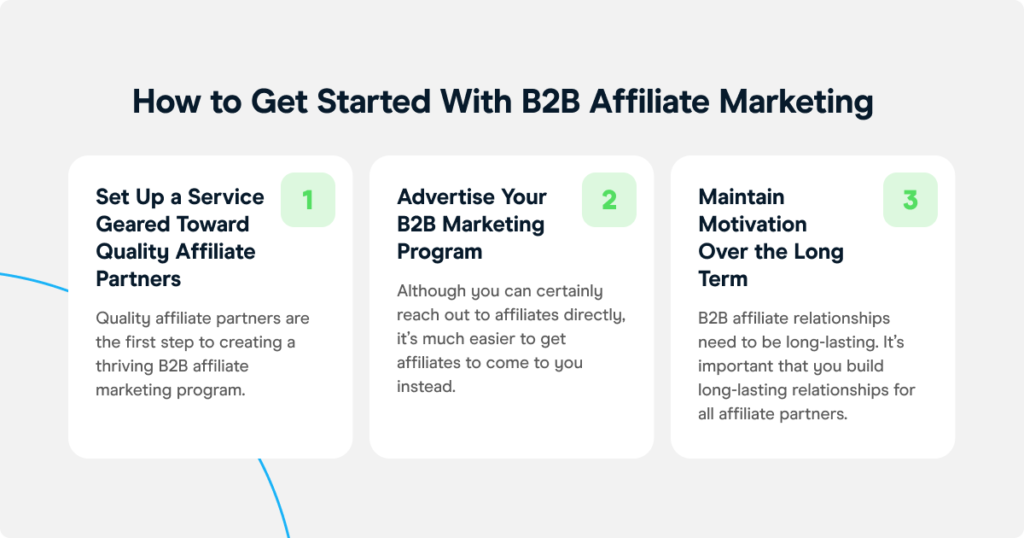
What Is B2B Affiliate Marketing and Why It Matters
B2B affiliate marketing is a partnership model where a business rewards partners for driving leads or revenue. Partners can be agencies, consultants, creators, media, or communities. It is performance-based, so you pay for results, not just clicks.
It matters because trust wins in B2B. Buyers look to experts and peers before they talk to sales. A strong partner can open doors faster than ads. With b2b affiliate marketing, you borrow that trust and turn it into clear pipeline.
Key differences from B2C:
- Longer sales cycles and more stakeholders need content and proof.
- Payouts align to milestones like MQL, SQL, demo, or close-won.
- Tracking must handle offline steps and multi-touch paths.
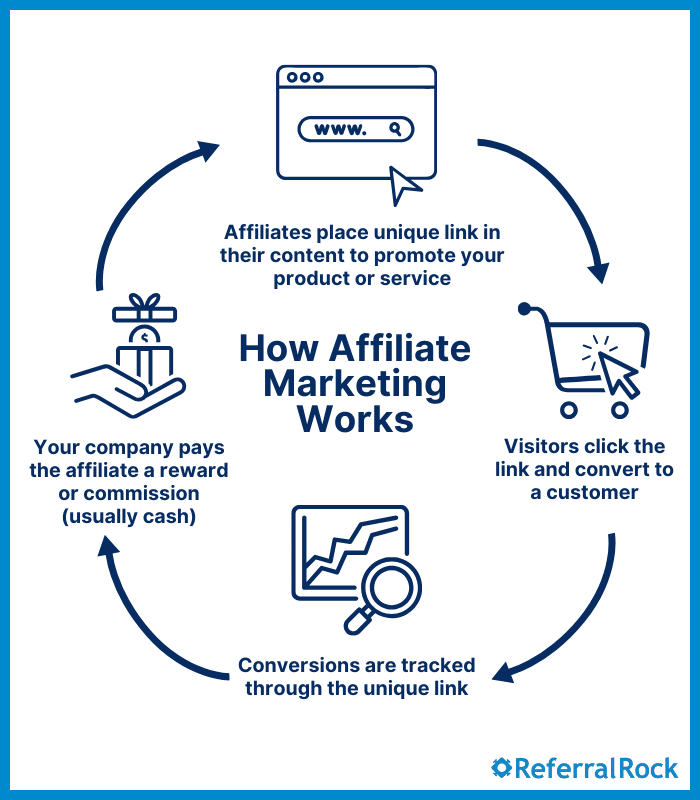
How B2B Affiliate Programs Work
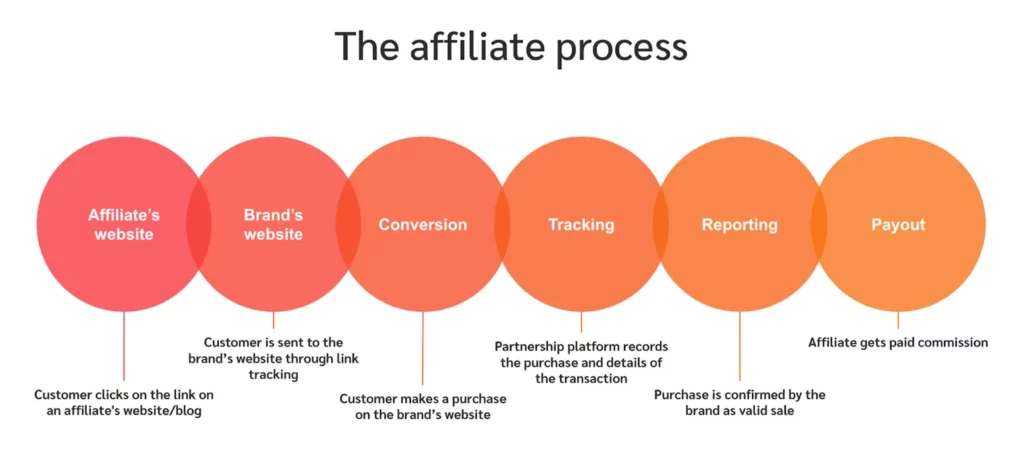
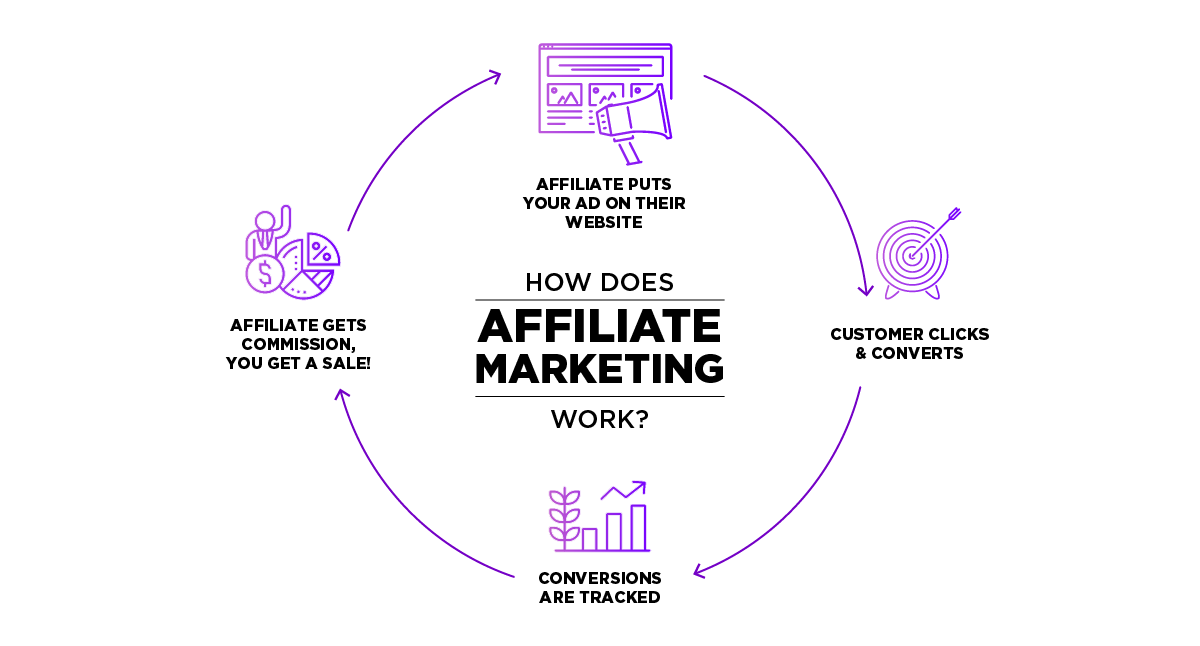
At a basic level, you set terms, give tracking links, and reward wins. The best programs go further. They align incentives to deal stages, track across tools, and keep partners trained.
Core pieces:
- Clear offer. Define your ICP, value props, and acceptance rules for leads.
- Tracking setup. Use unique links, partner forms, and CRM fields to link leads to partners.
- Attribution rules. Pick first touch, last touch, or multi-touch. Set lookback windows.
- Payout logic. Tie rewards to MQL, SQL, opportunity, or revenue. Avoid gray zones.
- Enablement. Share assets, playbooks, and messaging. Make it easy to promote.
From my experience, the biggest lift comes when you integrate CRM, marketing automation, and your partner platform. That way, sales can see the partner name on the record and work the lead with context. Done right, b2b affiliate marketing feels like a natural part of your go-to-market.
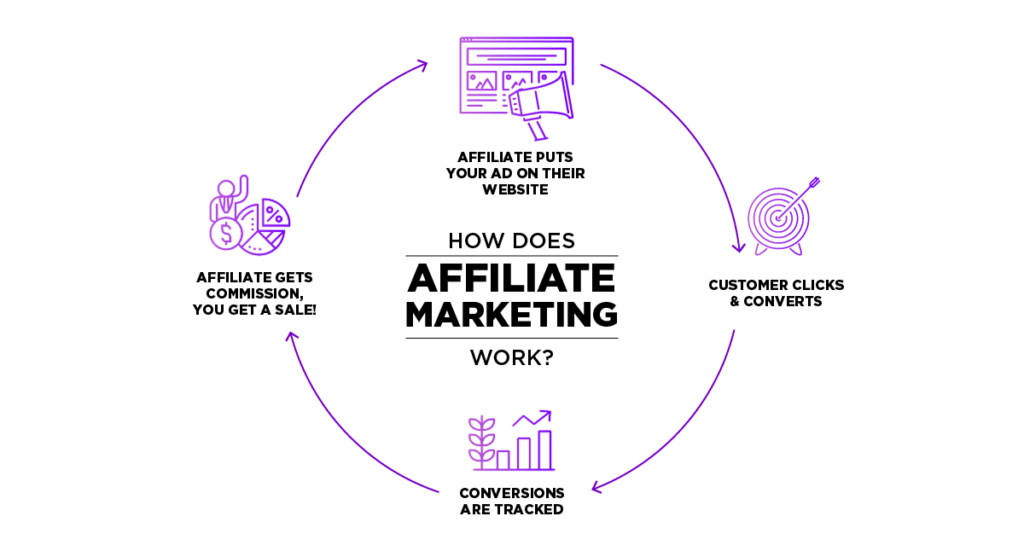
Benefits for Vendors and Partners
For vendors:
- Lower CAC. Pay for outcomes instead of impressions.
- Net-new reach. Tap niche markets and verticals with trusted voices.
- Higher intent. Warm intros and content-led traffic convert better.
For partners:
- New income. Earn from your audience without handling delivery.
- Stronger brand. Share useful tools and case studies.
- Scale. Promote once, earn many times through evergreen content.
I have seen b2b affiliate marketing produce 20 to 30 percent of sourced pipeline for mid-market SaaS, with less spend risk. The secret is consistent partner care and fast sales follow-up.
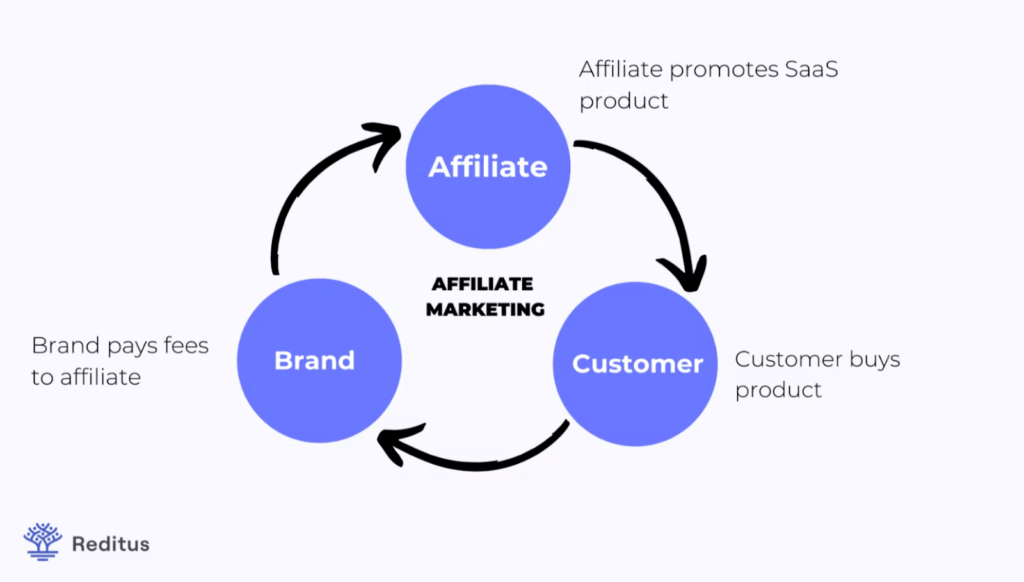
Common Models and Commission Structures
Choose a model that fits your sales motion and margins. Keep terms simple to avoid confusion.
Popular models:
- Cost per demo or qualified meeting. Fixed fee for a booked demo that fits your ICP.
- Cost per SQL. Higher fee for sales-accepted leads after discovery.
- Revenue share. Percent of first-year revenue or lifetime revenue, often with a cap.
- Tiered bonuses. Higher rates after a set number of deals or revenue thresholds.
Settings that matter:
- Cookie and attribution window. Many B2B teams use 90 to 180 days.
- Multi-touch credit. Split rewards when content and events both influence a deal.
- Clawbacks. Protect your program if a deal refunds or churns fast.
A simple start is a two-step payment: one small fee on SQL, then a bigger fee on close-won. This balances risk and keeps partners engaged through the long cycle of b2b affiliate marketing.
Building a High-Performing B2B Affiliate Program
You need more than a sign-up page. Treat your program like a product. Build it for partner success.
Define Ideal Partner Profiles
- Map your buyer journey and list who they trust.
- Target agencies, consultants, and communities in your niche.
- Screen for audience fit, content quality, and compliance history.
Create a Competitive Offer
- Set payouts that match deal value and cycle length.
- Publish rules on lead acceptance, attribution, and payment timing.
- Offer exclusive content, trials, and discounts for partner audiences.
Onboarding and Enablement
- Provide messaging kits, landing pages, and use-case assets.
- Share sample emails, videos, and webinar decks.
- Host monthly office hours for Q&A and feedback.
Tracking and Attribution
- Use partner links and partner-specific forms.
- Auto-tag leads in your CRM with partner ID and source.
- Report on MQL-to-SQL, SQL-to-win, deal size, and time to close.
Compliance and Ethics
- Require FTC disclosures on all promotions.
- Protect data with GDPR and CCPA controls.
- Review content for accuracy and brand safety.
When I launched a program in a niche SaaS, we doubled partner-sourced demos by adding a partner portal, a one-click co-branded landing page, and a simple SQL bonus. That small set of changes made b2b affiliate marketing the top channel that quarter.
Proven Strategies for Scaling B2B Affiliate Marketing
Scaling is not about more partners. It is about better partners and better plays.
Multi-Touch Attribution with Long Sales Cycles
- Use a 90-day or 120-day window to match B2B buying behavior.
- Credit both the content that educates and the event that books the demo.
- Share influence reports so partners see their impact.
Content That Converts in B2B
- Comparison pages and alternatives pages drive high intent.
- ROI calculators and templates turn interest into action.
- Industry webinars with customer stories build trust fast.
Partner Co-Marketing Playbooks
- Run a quarterly webinar series with your top partners.
- Build case studies that feature both your product and the partner’s service.
- Offer co-branded email sequences and social posts.
Sales Integration and Lead Handoffs
- Route partner leads to your best reps.
- Send progress updates to partners at each stage.
- Close the loop fast with wins, learnings, and next steps.
I once watched a single “X vs Y” page bring in three enterprise wins. We kept it updated, added data, and tied it to a demo offer. That steady care is the boring, vital part of b2b affiliate marketing.

Metrics, Benchmarks, and Forecasting
Track the full funnel, not just clicks. Small tweaks can unlock big gains.
Core metrics:
- Click to lead conversion rate
- Lead to SQL rate
- SQL to close-won rate
- Average deal size and sales cycle length
- Earnings per click for partners
- Partner-sourced pipeline and revenue
- Payback period and CAC vs other channels
Benchmarks to guide planning:
- Click to lead in B2B content: 3 to 8 percent
- Lead to SQL: 20 to 40 percent with good screening
- SQL to win: 15 to 30 percent in mid-market
- Common attribution windows: 90 to 180 days
Forecasting tip:
- Start with current partner EPC and your lead-to-win rates.
- Model a conservative, base, and upside case.
- Share a simple dashboard so partners see where to improve.
These numbers vary by industry, but this model helps any team set targets for b2b affiliate marketing and avoid guesswork.

Tools and Platforms to Consider
Pick tools that fit your stack, budget, and security needs. Do a short pilot before a big roll-out.
Useful categories:
- Partner platforms for tracking and payouts. Examples include solutions built for SaaS and agencies.
- Link tracking and analytics. Use UTM standards and event tracking.
- CRM and marketing automation. Sync partner fields and lifecycle stages.
- Payment automation. Handle W-9 collection, global tax, and on-time payouts.
- Content tools. Build co-branded pages, ROI calculators, and media kits.
Evaluation checklist:
- Can it track to lead, SQL, and revenue in your CRM?
- Does it support multi-touch and influence reporting?
- Are payouts simple, fast, and global-compliant?
- Is partner onboarding smooth with a portal and resources?
The right stack removes friction. It keeps trust high for partners and makes b2b affiliate marketing simple for your team.

Real-World Examples and Lessons Learned
From my own programs, here are patterns that keep working.
What worked:
- Two-step payouts. Small bonus at SQL, larger on close. Partners stayed invested.
- Tight ICP rules. We cut volume by 20 percent but wins rose 35 percent.
- Co-branded landing pages. They converted two to three times higher than generic pages.
Mistakes to avoid:
- Paying on MQL alone. We attracted low-fit leads and burned sales time.
- Vague attribution. We had disputes. Clear windows and rules fixed it.
- Slow payments. Partners left. We moved to monthly, on-time payouts.
A simple lesson shaped my view of b2b affiliate marketing: partners act like your best reps when you treat them like your best reps. Share context, celebrate wins, and give fast feedback.
Pitfalls and How to Avoid Them
Common traps can sink a program. Plan for them early.
Quality issues:
- Set clear ICP and disqualify rules.
- Use qualification form fields and enrichment tools.
- Audit partner content each quarter.
Fraud and compliance:
- Monitor for fake leads, duplicate records, and bot traffic.
- Enforce FTC disclosures and brand guidelines.
- Add clawbacks for refunds and early churn.
Channel conflict:
- Define rules of engagement with resellers and direct sales.
- Use lead registration to protect partner efforts.
- Share visibility so teams avoid stepping on each other.
Operational drag:
- Automate status updates and payouts.
- Keep enablement fresh with new assets each month.
- Host partner feedback loops to catch issues fast.
With these guardrails, b2b affiliate marketing stays clean, fair, and scalable.
Frequently Asked Questions of b2b affiliate marketing
Q. What is b2b affiliate marketing in simple terms?
It is when a business pays partners for leads or sales they bring in. The partner promotes your product and earns when results happen.
Q. How is b2b affiliate marketing different from B2C?
B2B has longer cycles, higher deal values, and more stakeholders. Payouts often follow milestones like SQL or revenue, not just a quick sale.
Q. What is a good commission for B2B partners?
Many teams pay a fixed fee for SQL and a larger fee at close. Others offer 10 to 30 percent of first-year revenue, based on margins.
Q. How do you track offline steps like demos and contracts?
Connect tracking links to your CRM and tag partner IDs on records. Credit the partner at each stage and use clear attribution rules.
Q. How long should the cookie or attribution window be?
Ninety to one hundred eighty days fits most B2B cycles. Pick a window that matches your average time from first touch to demo or close.
Q. Can affiliates and resellers coexist?
Yes, with rules. Use lead registration, define territories, and share visibility to prevent overlap.
Q. What content types work best for B2B affiliates?
Comparison pages, case studies, ROI tools, and webinars work well. They build trust and drive qualified demos.
Conclusion
B2B affiliate marketing turns trusted voices into steady pipeline. Start with clear terms, tight ICP, and simple two-step payouts. Enable partners with strong content, track every stage, and pay on time.
Take one action this week: pick three ideal partner types, write a one-page program brief, and invite five partners to a kickoff call. Small, consistent steps will compound. If you found this helpful, subscribe for more playbooks or share your top b2b affiliate marketing question in the comments.