
I’ve spent years building, buying, and scaling cloud tools. Along the way, one question comes up over and over: what is saas and b2b, and why does it matter? In short, SaaS is software you use over the internet, and B2B is selling to other businesses. When you put them together, you get B2B SaaS: cloud apps built for teams, sold on subscriptions, and designed to drive real business results. If you want clear answers, real examples, and steps you can use today, you’re in the right place.
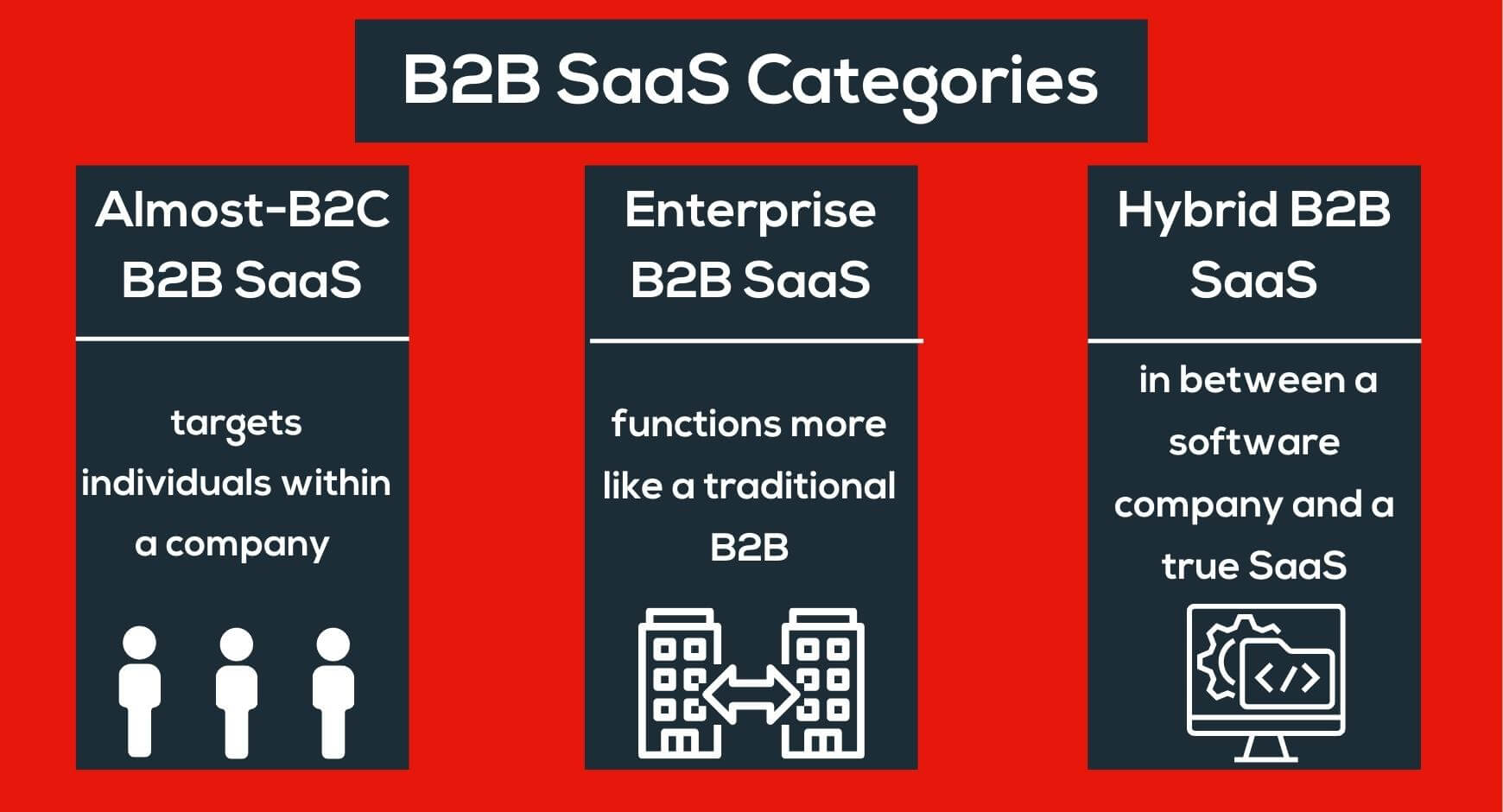
Source: augurian.com
What SaaS Means Today
SaaS stands for Software as a Service. You access it online. You pay a subscription. You get updates without downloads. Think of email platforms, CRM tools, project apps, or billing systems. The vendor runs the servers. You log in and work.
Why this model won:
- Lower upfront cost: You skip big license fees and hardware.
- Fast setup: You can launch in hours, not months.
- Constant improvement: Features roll out without you doing a thing.
- Scale on demand: Add users as your team grows.
I once ran a small sales team and moved from spreadsheets to a SaaS CRM. Ramp-up took two days. The team closed deals faster in week one. That shift alone paid for the first year. That is the SaaS effect.

Source: www.designwithvalue.com
What B2B Means And How It Differs From B2C
B2B means business-to-business. You sell to companies, not to consumers. The buying process is longer and more careful. Multiple people weigh in. They look at ROI, security, and support, not just price and features.
Key differences:
- Decision makers: In B2B, IT, finance, and users all have a say.
- Longer sales cycles: Weeks or months, not minutes.
- Clear ROI focus: Buyers want proof of savings or growth.
- Service level: Support, uptime, and training matter a lot.
When I sold to a mid-market company, the legal review took three weeks. Security questions took another week. But once we passed both, churn dropped. Trust keeps customers longer in B2B.
Source: mailshake.com
Where SaaS And B2B Meet: B2B SaaS Explained
B2B SaaS is cloud software sold to companies. It runs in the browser or via API. It helps with jobs like sales, HR, finance, support, and analytics. It is the backbone of modern teams.
Core traits:
- Subscription model: Monthly or annual plans.
- Multi-tenant cloud: One codebase, many customers.
- SLAs: Promises on uptime, response time, and support.
- Integrations: Works with tools like Slack, Salesforce, and Google Workspace.
A clean mental picture: B2B SaaS is like renting an office suite online. You get rooms (features), security guards (compliance), utilities (uptime), and a concierge (support), without owning the building.
Source: markuphero.com
Core Benefits Of B2B SaaS
B2B SaaS sparks value fast and keeps it compounding.
What teams gain:
- Faster time to value: Start in hours. See results in days.
- Predictable costs: Clear pricing, easy budgeting.
- Strong security: Centralized controls and audits.
- Easy collaboration: One place for work, shared across teams.
- Data-driven insight: Built-in analytics and dashboards.
In my experience, the real win is focus. Your team spends less time on setup and more time on outcomes. That is how small teams punch above their weight.
Common Challenges And How To Avoid Them
B2B SaaS is powerful, but there are risks. Most problems show up in rollout and change management.
What to watch:
- Shadow IT: Unsanctioned tools create risk. Tip: Set clear procurement rules.
- Low adoption: People resist change. Tip: Run training and appoint champions.
- Integration gaps: Data in silos hurts insight. Tip: Plan APIs before buying.
- Surprise costs: Add-ons can stack up. Tip: Audit usage each quarter.
- Security gaps: Misconfigurations cause leaks. Tip: Use SSO, MFA, and audits.
A lesson I learned the hard way: never skip a pilot. A two-week pilot with 10 users found two workflow blockers. Fixing them early saved a messy company-wide rollout.
How The B2B SaaS Buying Journey Works
The B2B SaaS buyer journey has clear stages. You can map your plan to each step.
Typical steps:
- Awareness: Problem is clear; solutions are not.
- Consideration: You shortlist 3 to 5 vendors.
- Evaluation: You test features, security, and costs.
- Approval: Legal, IT, and finance sign off.
- Onboarding: Training, data import, and setup.
- Adoption and expansion: You drive usage and add features.
What matters most:
- Social proof: Case studies and reviews build trust.
- Proof of value: Trials, pilots, and ROI models.
- Clear pricing: No surprises.
- Strong support: Fast, human help wins deals.
Pricing Models And Metrics That Matter
SaaS pricing is simple on the surface but strategic under the hood.
Common models:
- Per user: Simple and fair for most tools.
- Per unit: Based on usage like emails sent or records stored.
- Tiered plans: Good, Better, Best with feature gates.
- Custom enterprise: Volume discounts and SLAs.
Metrics to watch:
- MRR and ARR: Monthly and annual recurring revenue.
- CAC: Cost to get a new customer.
- LTV: Lifetime value of a customer.
- Payback period: Months to recover CAC.
- Churn and retention: Who stays, who leaves, and why.
- Net revenue retention: Expansion minus churn equals growth.
Quick tip: If your payback period is longer than 12 months, review pricing, onboarding, or channel fit.
Real-World Examples And Use Cases
B2B SaaS lives across every team.
Use cases:
- Sales: CRM, pipeline, and quoting tools. Close deals faster.
- Marketing: Email, forms, and analytics. Drive qualified leads.
- Finance: Billing, expenses, and forecasts. Keep cash clear.
- HR: Hiring, onboarding, and payroll. Grow teams with ease.
- Support: Ticketing and knowledge bases. Delight customers.
- IT and security: Access control, monitoring, and backups. Reduce risk.
A small agency I coached used three SaaS tools to scale: a CRM, a project app, and a billing system. Revenue grew 40 percent in a year. The key move was automating follow-ups and invoices.
Getting Started: A Simple Roadmap
If you want to adopt B2B SaaS or build it, start simple. Focus on clarity, value, and control.
Steps that work:
- Define the job to be done: Write one line on the core outcome.
- Build a shortlist: Pick 3 tools that match your must-haves.
- Run a pilot: Two weeks with real users and real data.
- Measure results: Time saved, errors cut, revenue gained.
- Plan rollout: Training, champions, and a help channel.
- Review quarterly: Trim unused seats. Expand what works.
If you are a founder, start with a narrow niche. Solve one painful job better than anyone. Prove ROI fast. Then expand.
Frequently Asked Questions Of What Is SaaS And B2B
Q. Is SaaS always cloud-based?
Yes. SaaS runs in the cloud and you access it over the internet. You do not install or manage servers.
Q. How is B2B SaaS different from B2C SaaS?
B2B targets companies and has longer sales cycles and more buyers involved. B2C targets individuals and focuses on ease and speed.
Q. What should I ask a B2B SaaS vendor?
Ask about security, uptime, support response, roadmap, integrations, and total cost. Request a pilot and a clear exit plan.
Q. How do I measure ROI for B2B SaaS?
Track time saved, revenue gained, error reduction, and risk reduction. Compare gains to the full cost of the tool and training.
Q. What if my team resists a new SaaS tool?
Start with a pilot and champions. Show fast wins. Offer short training sessions. Gather feedback and fix blockers.
Q. Are annual plans better than monthly?
Annual plans cost less per month. Monthly plans offer flexibility. Choose based on budget and certainty of fit.
Q. Which integrations matter most?
Connect tools you use daily, like email, CRM, chat, and billing. Fewer manual steps means better adoption and data quality.
Conclusion
SaaS is how we access software today. B2B is how companies buy with care. Put them together, and you get B2B SaaS: cloud tools that drive growth, save time, and reduce risk. Start small, prove value fast, and scale what works. Run pilots, track ROI, and keep your users at the center.
Ready to take the next step? Pick one process to improve this month. Test a tool, measure the impact, and share the win with your team. Want more guides like this? Subscribe, explore our resources, or leave a comment with your top question.
Watch This Video on what is saas and b2b
Related Posts
- See More Review: What Is B2B SaaS